Continued… Cyanobacteria produced oxygen, which was a toxic gas for many of their enemies. Thus, oxygen acted as a weapon that harmed attackers and drove them away. Oxygen affected not only their enemies, but also the environment. Oxygen accumulated in the water and then rose into the atmosphere. This brought about major changes to the Earth’s climate and chemistry. Oxygen was a gas that promoted the formation of ozone, a layer that protected the Earth from the sun’s ultraviolet rays. Ozone enabled life to emerge from the sea and colonise the surface.
Thus, the Asgard archaea and cyanobacteria were responsible for creating the atmosphere we know today, which makes life on Earth possible. But that’s not all: the Asgard archaea were also the precursors of eukaryotes – the cells that make up animals, plants and fungi. Eukaryotes have organelles called mitochondria, which are responsible for producing energy for the cell. These mitochondria are descendants of the endosymbionts that lived inside the Asgard archaea.
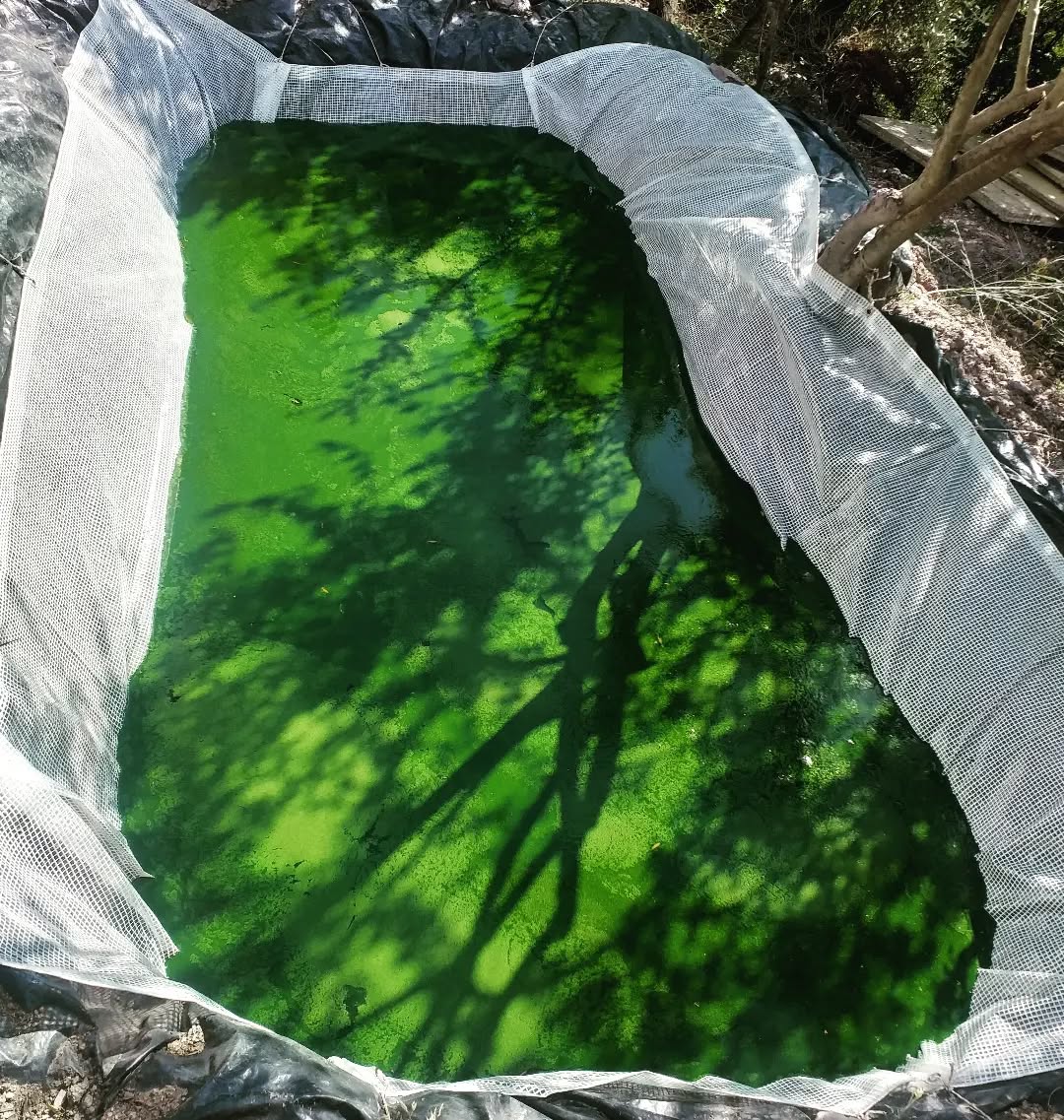
Yun then realised that the archaea bore a slight resemblance to his grandparents and asked if there was any solution to the problems currently afflicting the Earth. The microorganisms explained to Yun that people had to start living with an endosymbiont, just like their ancestors, the archaea of Asgard. They explained how to cultivate spirulina, a type of cyanobacteria that had been feeding the planet’s animals for many centuries. They told him he needed to find a container, water, bicarbonate of soda, salt, a small amount of rock dust and a little live spirulina. The journey to the archaic world came to an end, but the archaea had left him a kit containing some live spirulina and rock dust, and a good story to tell… (To be continued)
Continued… Cyanobacteria produced oxygen, …
Leave a Reply