The Secret of the Asgard Arks and the Magic of Cyanobacteria
Yun was a clever and curious boy who lived in a tree with his father, a kind but sometimes grumpy tech-wizard. Yun often got bored and was always looking for something new and exciting to do.
One day, whilst exploring the forest, he found a strange song inside a hollow tree trunk that transported him back to the Archaic era, more than two billion years ago. A long time ago, when the Earth was very young, there were no plants, animals or people; there were only rocks, water and some gases in the air. But at the bottom of the sea, near the hydrothermal vents, lived some very special creatures: the archaea.
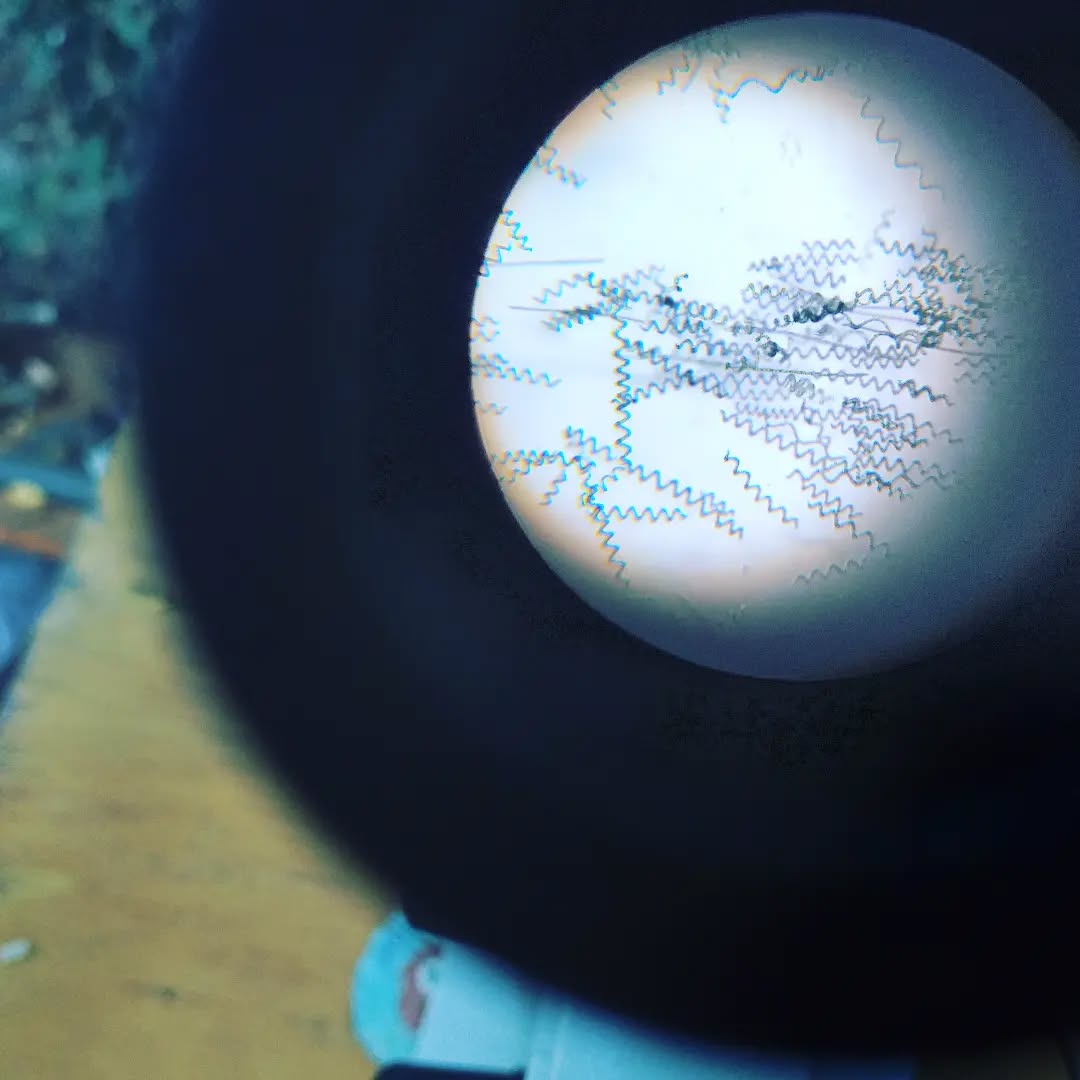
Archaea were very small microorganisms – so small that they could only be seen under a microscope. They were extremely hardy and could withstand extreme conditions of temperature, pressure and acidity. Among the archaea, there was a special group: the Asgard archaea. These archaea had a secret: inside their cells they harboured fragments of other cells that they had swallowed. These fragments were called endosymbionts and had a very important function: to help them obtain energy.
The endosymbionts were bacteria with superpowers: cyanobacteria. These bacteria had the ability to carry out photosynthesis – that is, to use sunlight to convert water and carbon dioxide into sugar and oxygen. The sugar served as food for the archaea, whilst the oxygen was a gas they released into the water.
The archaea of Asgard and the cyanobacteria lived in symbiosis; in other words, they helped one another. The archaea provided protection and nutrients to the cyanobacteria, and the cyanobacteria provided energy to the archaea. In this way, they formed a cell that was more complex and efficient than any other. But it was not all peace and harmony at the bottom of the sea. There were other archaea and bacteria that wanted to steal the secret from the Asgard archaea. These archaea and bacteria were very aggressive and attacked the Asgard archaea in an attempt to eat their endosymbionts.
The Asgard archaea had to defend themselves against these attacks, and to do so they relied on the help of their endosymbionts … (to be continued)
Leave a Reply