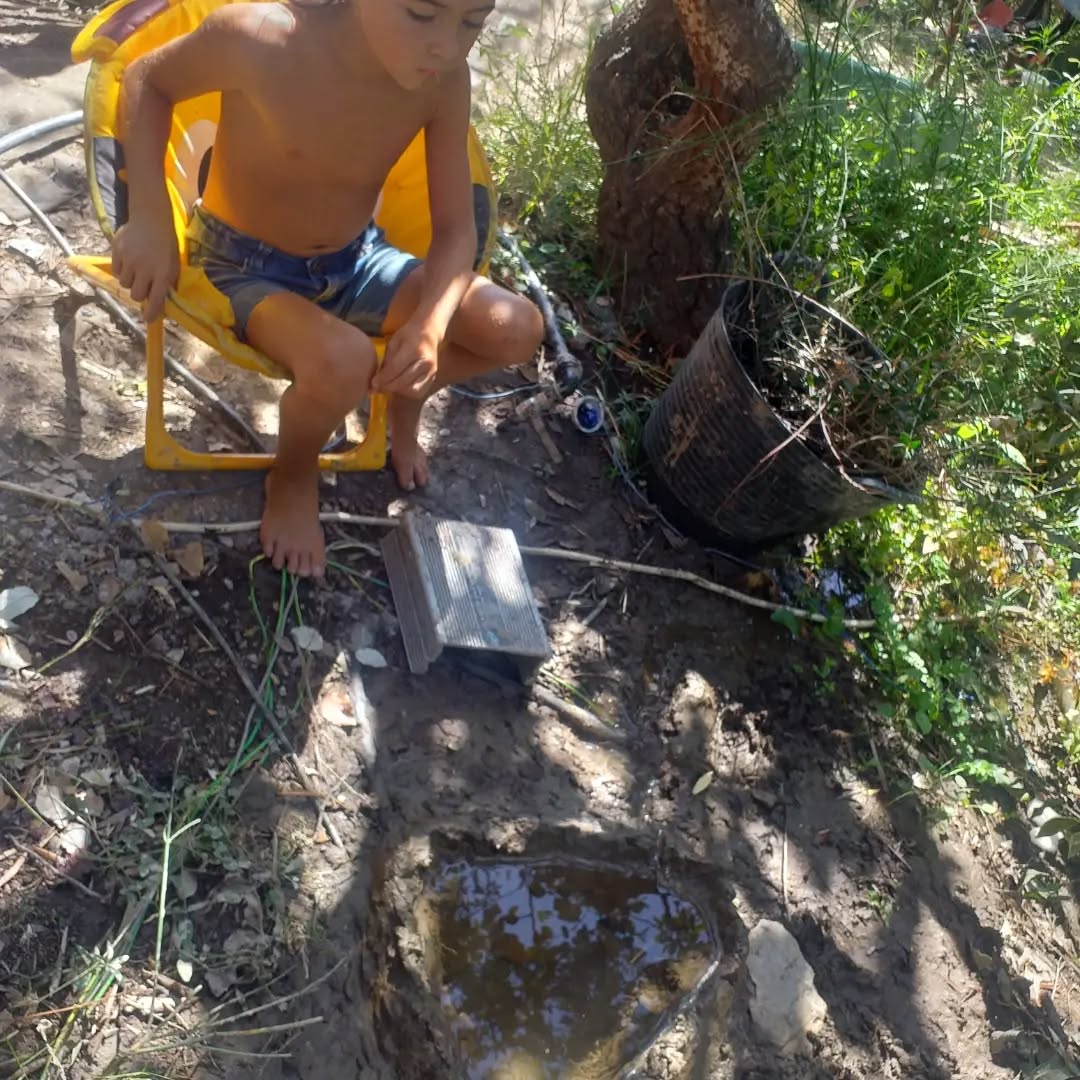
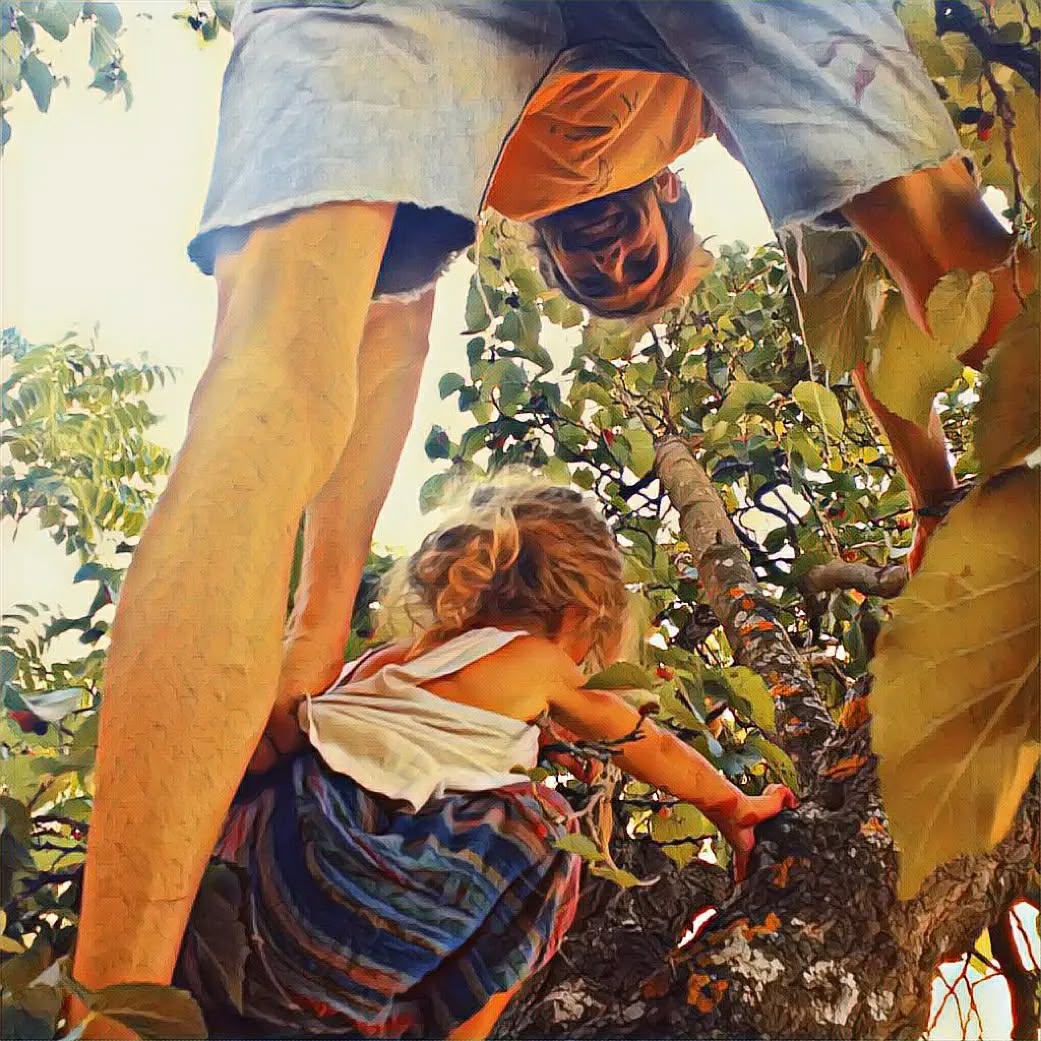
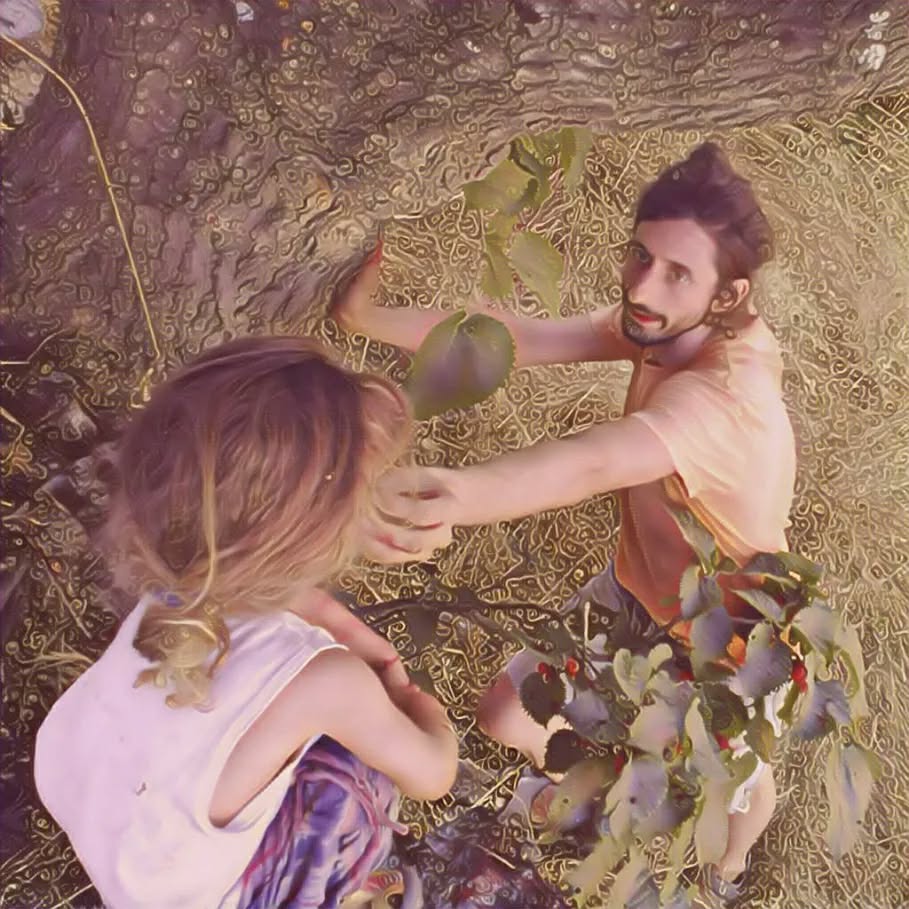
Memories of 2008: Living in Granada with my van and lots of friends 🥰
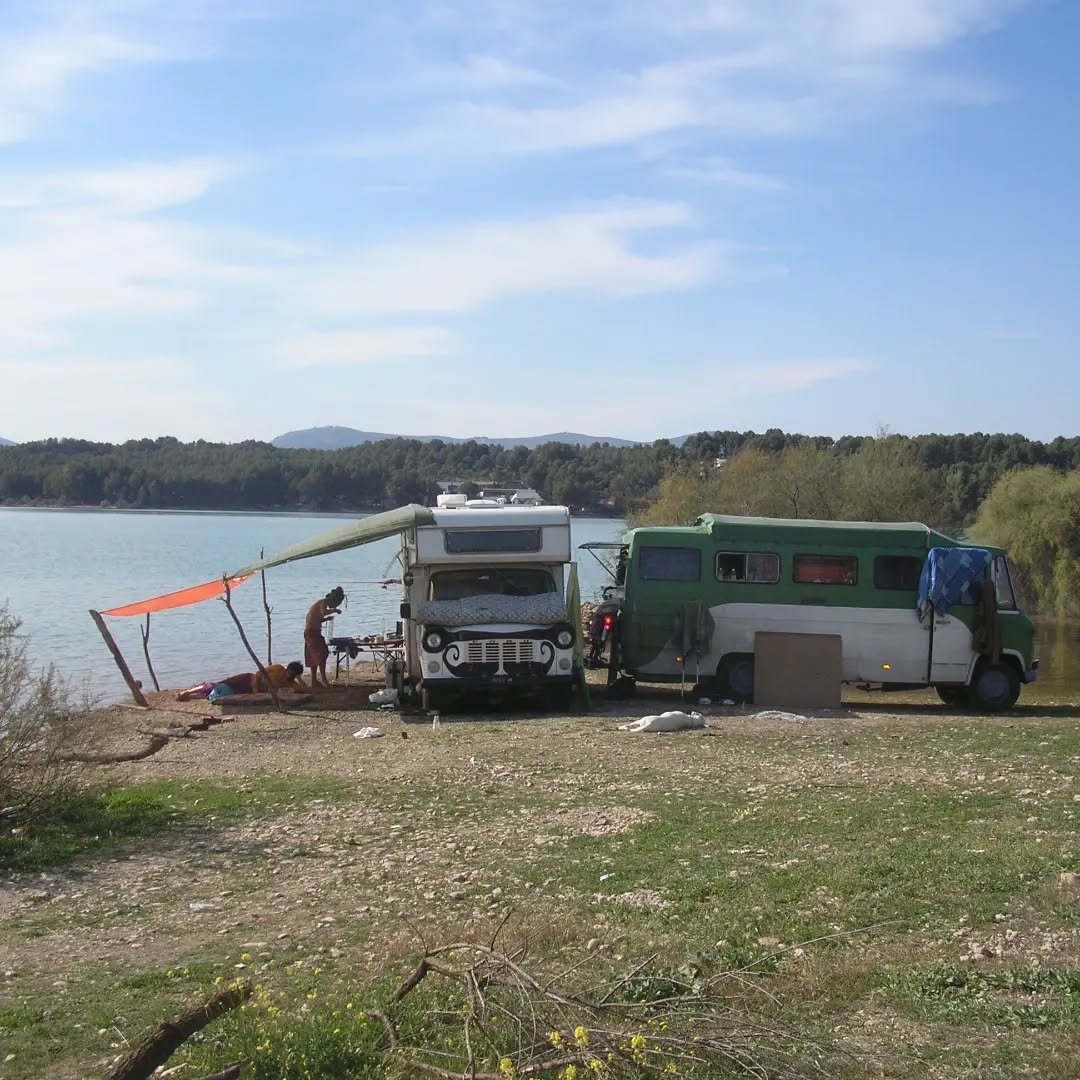
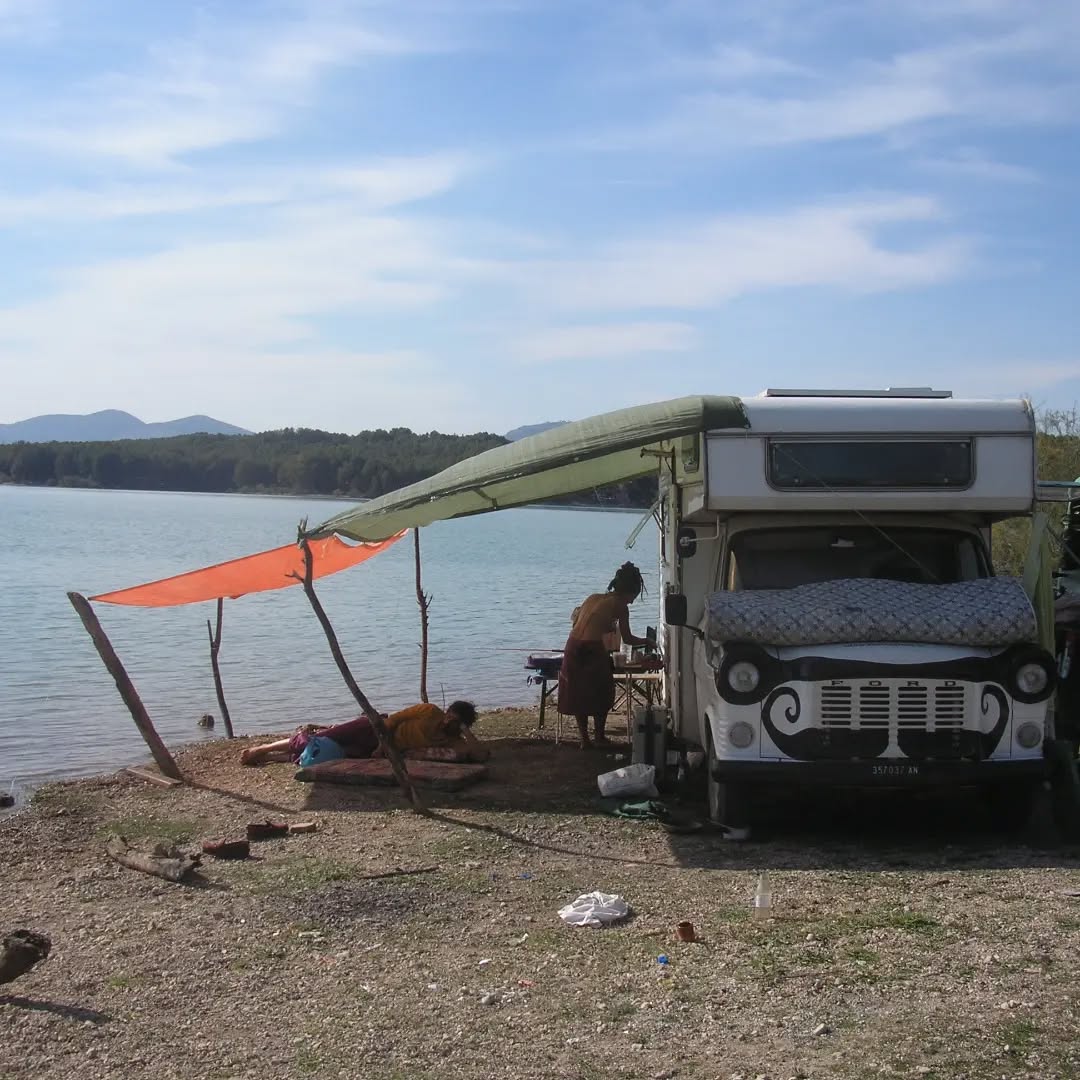
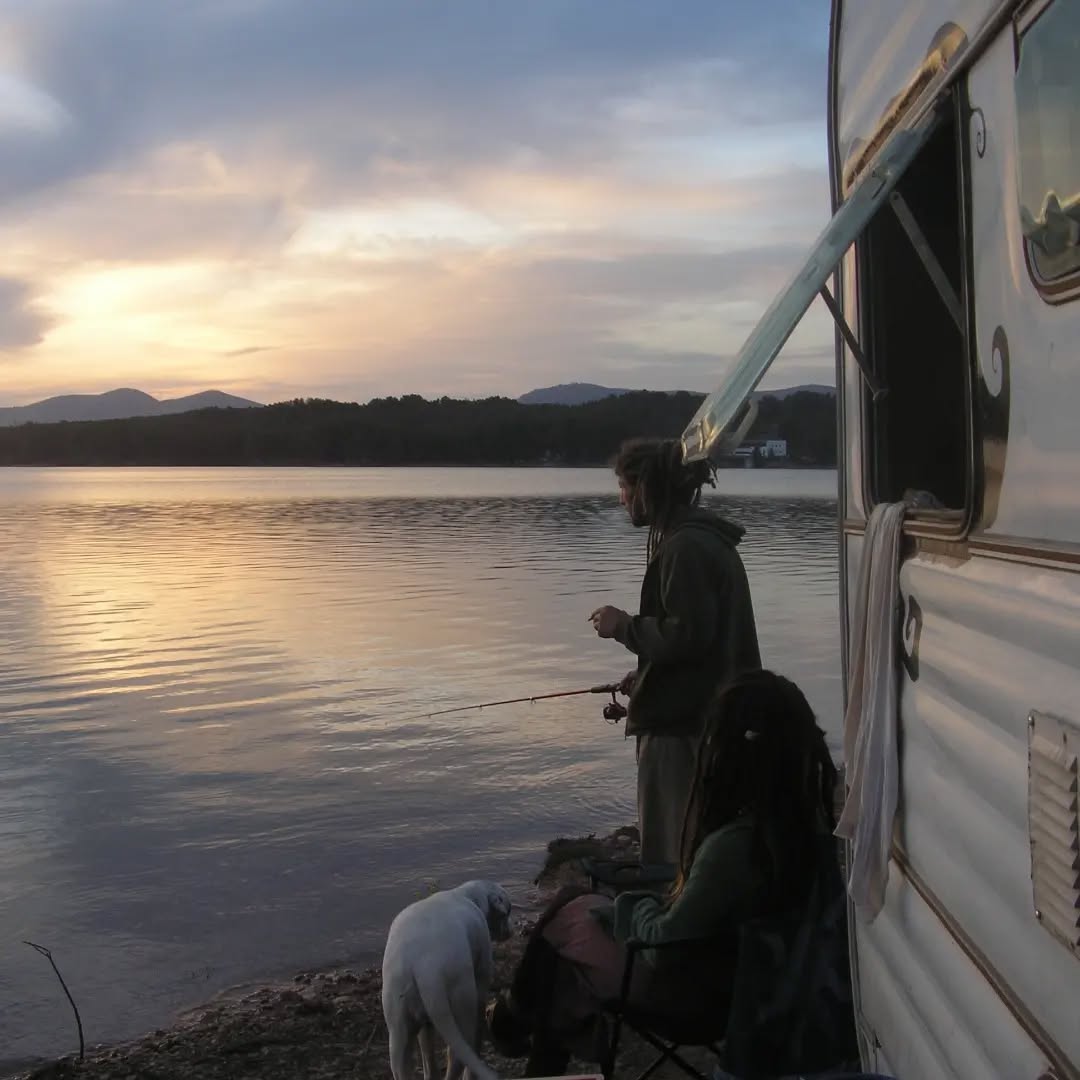
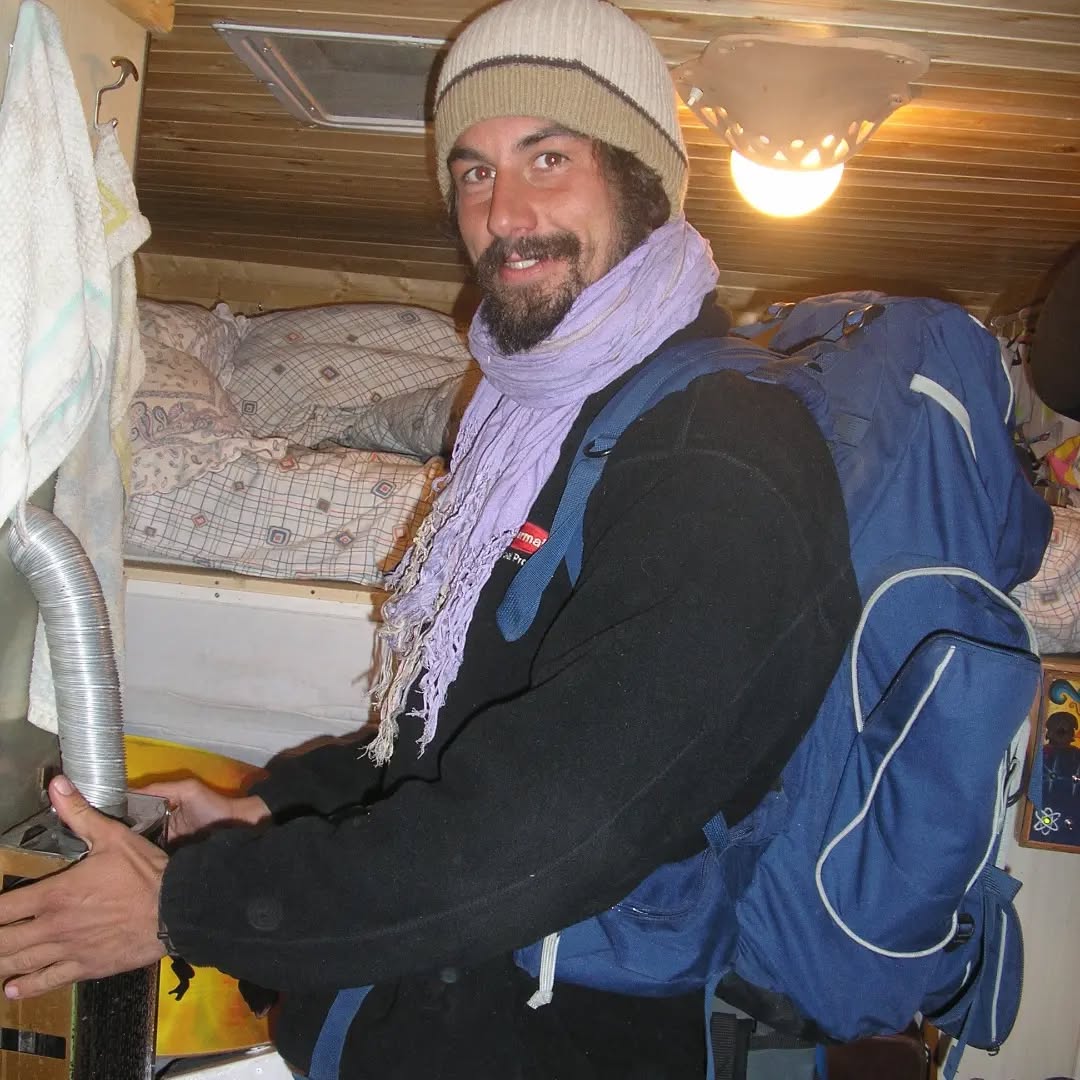
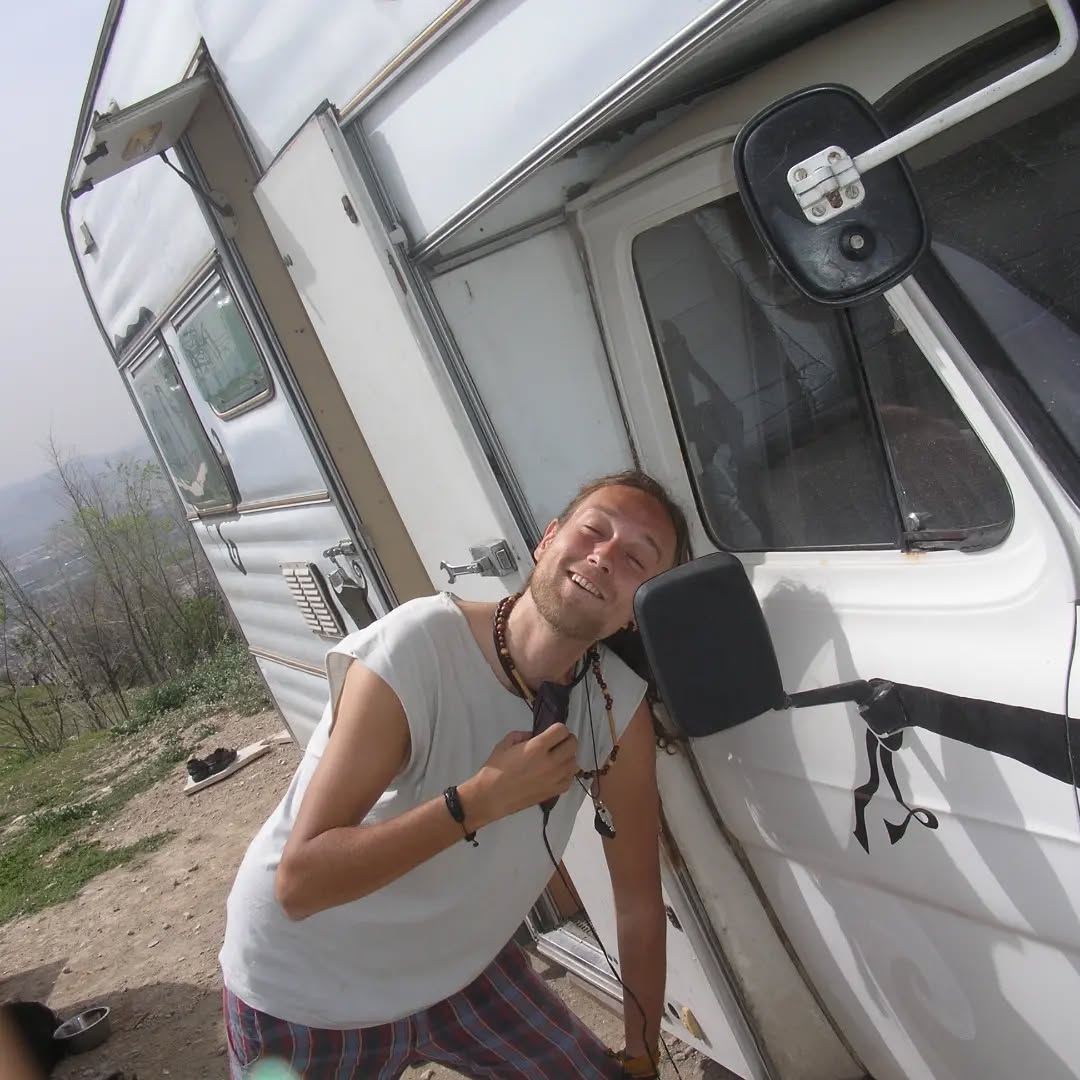
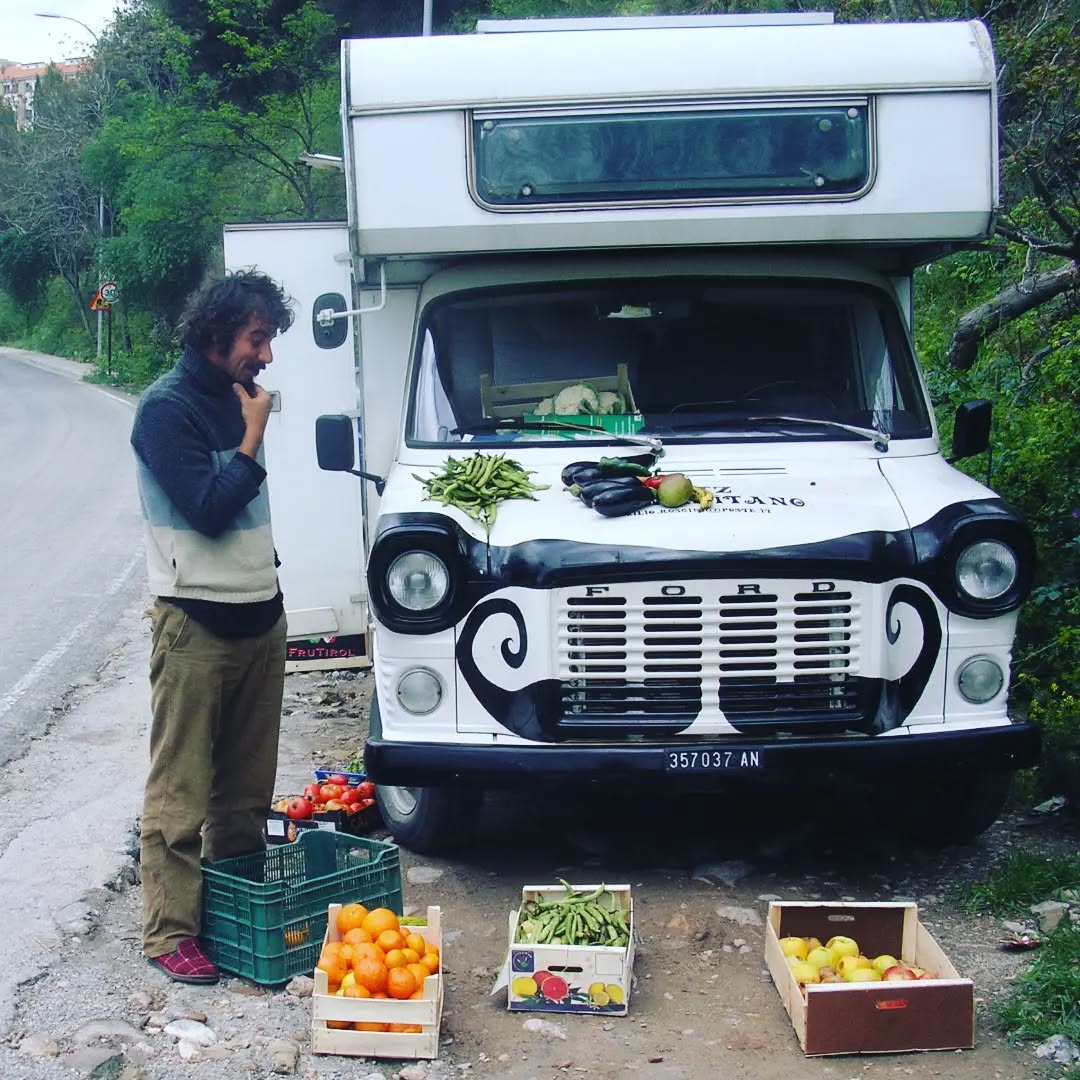
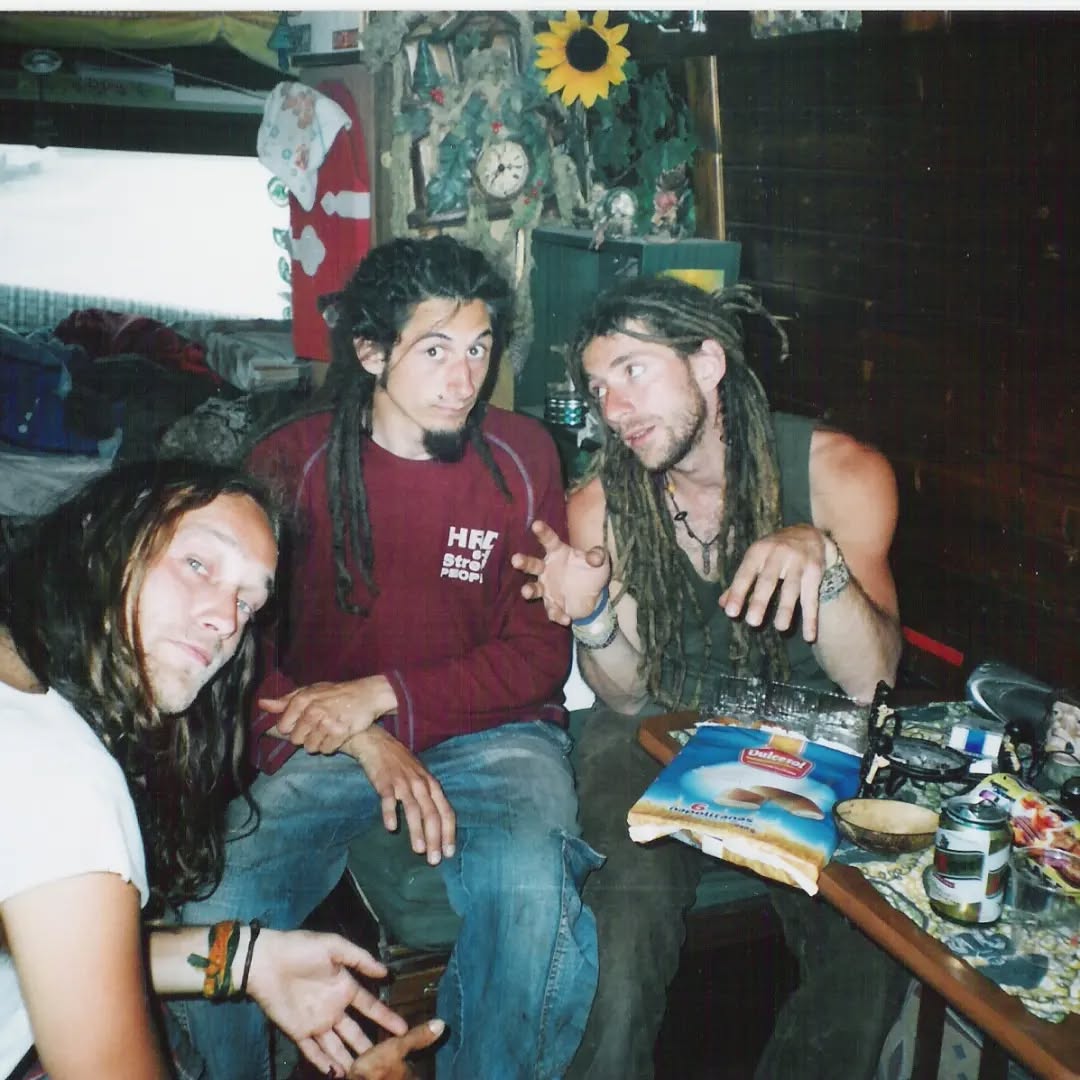
Memories of 2008: Living in Granada with my van and lots of friends 🥰
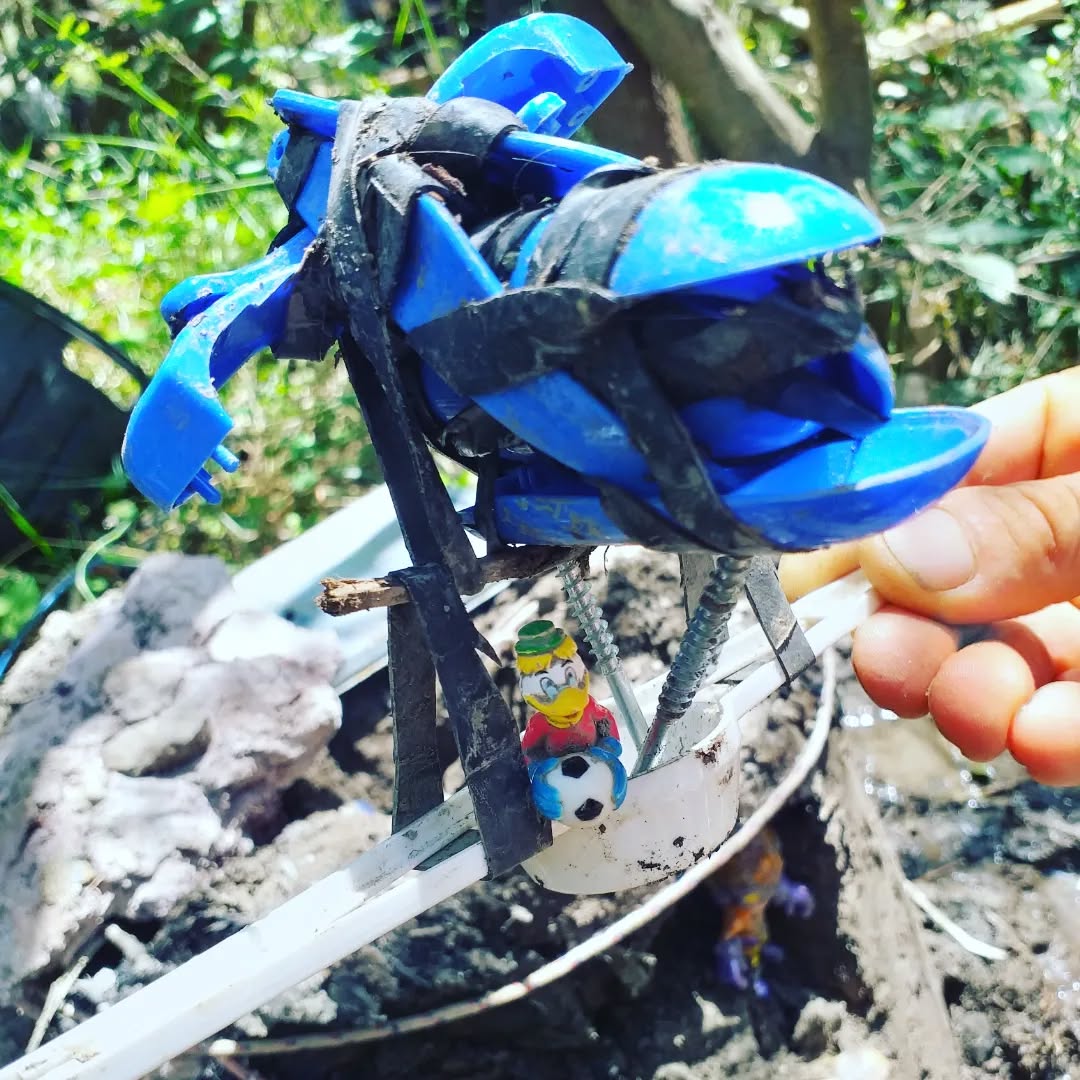
Archimedio and his ‘tensegrity’ airship against the zomboids
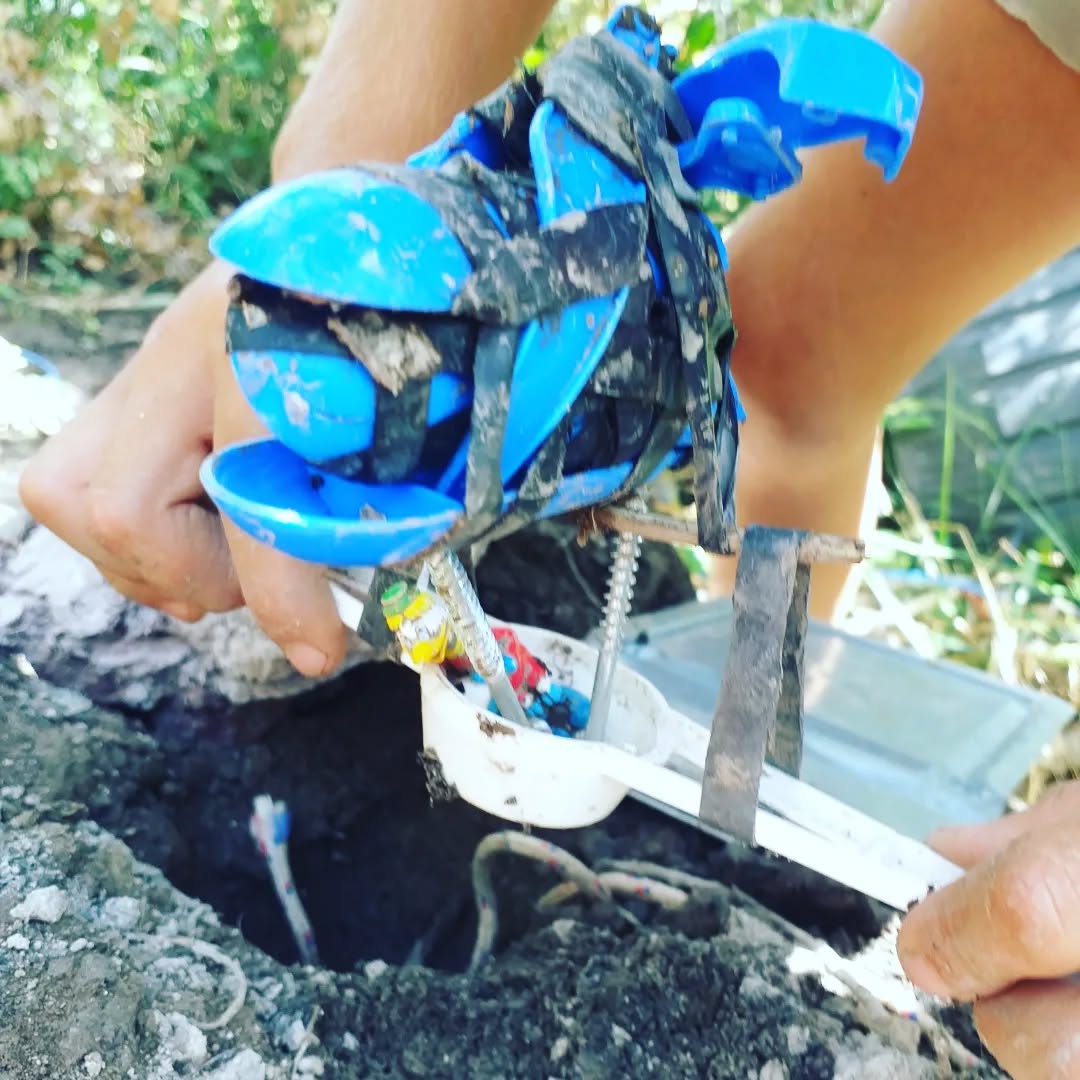
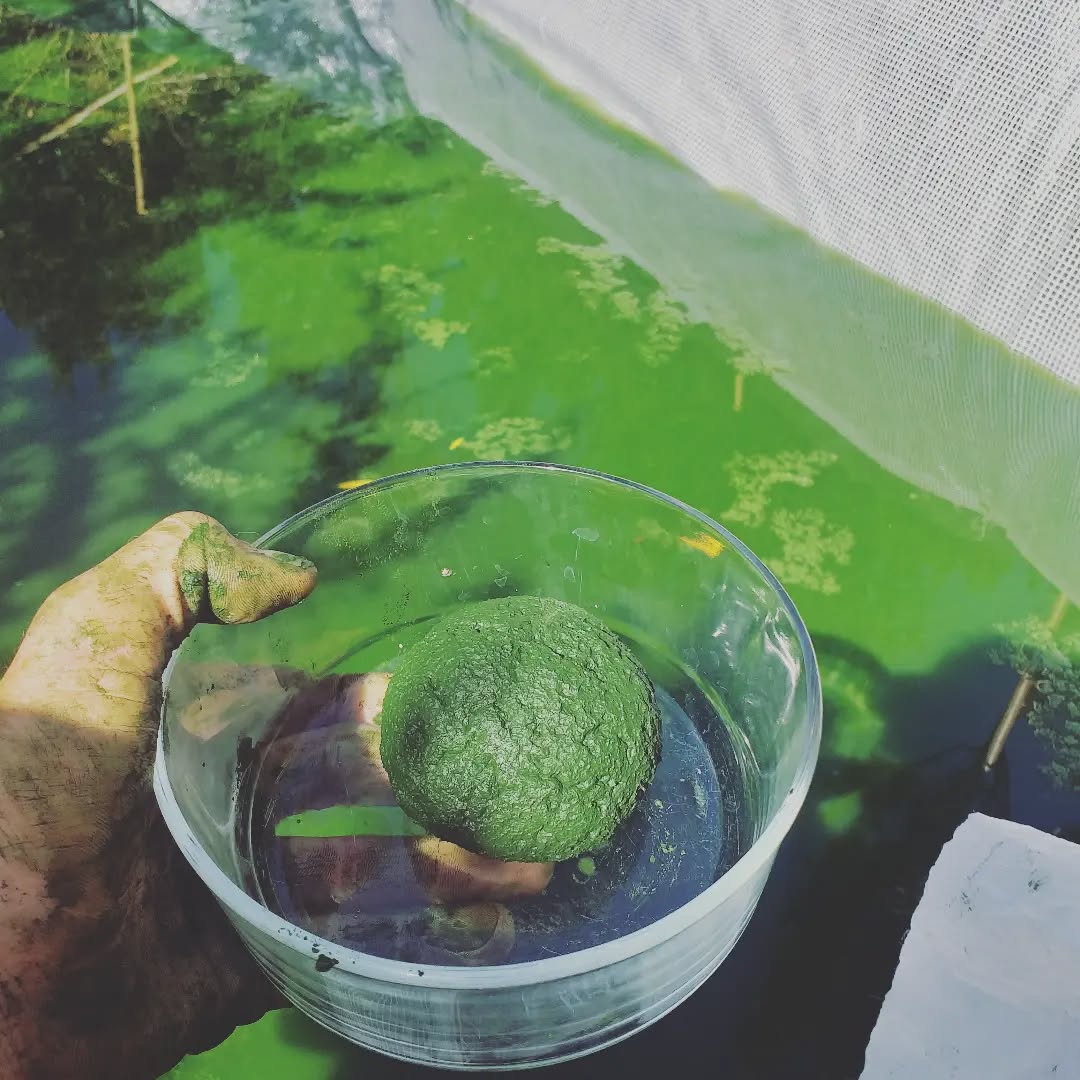
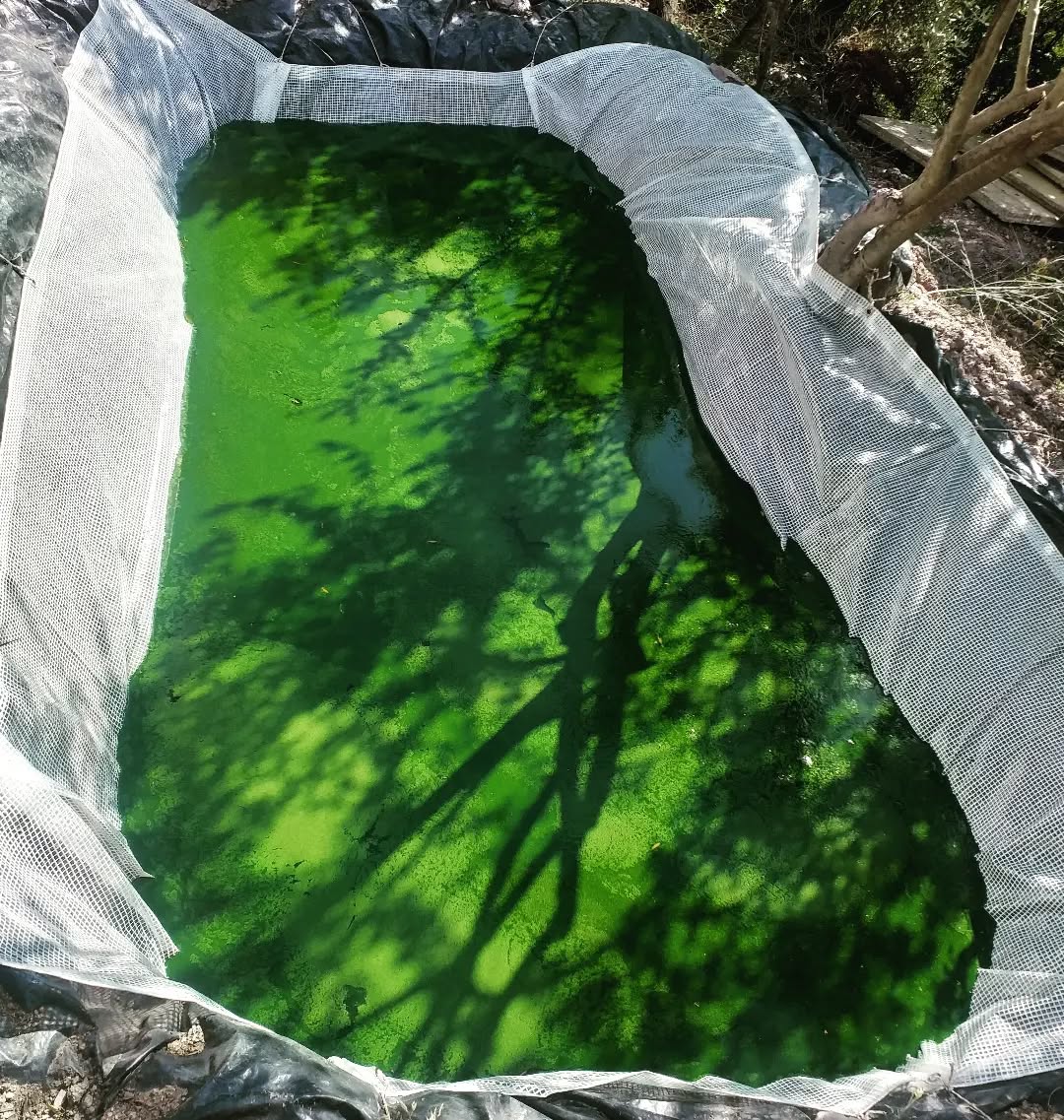
Continued … Yun and her father accepted the challenge and began preparing the ground for growing spirulina. Using their magical and technological skills, they created the ideal environment for spirulina to grow. Spirulina thrives in the pool, in the warmth, between the sun and the shade.
Micro-organisms helped Yun and his father to cultivate spirulina. Cyanobacteria gave spirulina the power to produce a large amount of nutrients using sunlight, whilst archaea gave it the resilience it needed to survive in extreme conditions.
Yun learnt that spirulina is one of the most nutritious substances on the planet, rich in protein, vitamins and minerals, and one of the earliest forms of life on Earth that helped produce the oxygen we breathe today and the ozone that protects us. So the next time you look up at the sky, at a flower or at yourself, remember that all this is possible thanks to the secret of Asgard’s archaea and cyanobacteria.
After a few weeks, the spirulina was ready to be harvested. Yun and his father strained the spirulina from the container and showed it to the microorganisms. The microorganisms were very happy and told Yun and his father that they’d done a great job. They then set up a spirulina farm, where Yun learnt the importance of working alongside other organisms – even those very different from us – to achieve a common goal: teamwork is the key to success. They then began travelling the world to tell everyone their ancient story, and in every place they left a little live spirulina so that people could grow it. Soon the whole planet began to grow spirulina in all those places where nothing else could be grown, and oxygen once again refreshed the air in their cities. Hunger and malnutrition disappeared from the planet, and people were much healthier. They had rediscovered the harmony between archaea and their endosymbionts, which had lain dormant in their genetic code.
Continued… Cyanobacteria produced oxygen, which was a toxic gas for many of their enemies. Thus, oxygen acted as a weapon that harmed attackers and drove them away. Oxygen affected not only their enemies, but also the environment. Oxygen accumulated in the water and then rose into the atmosphere. This brought about major changes to the Earth’s climate and chemistry. Oxygen was a gas that promoted the formation of ozone, a layer that protected the Earth from the sun’s ultraviolet rays. Ozone enabled life to emerge from the sea and colonise the surface.
Thus, the Asgard archaea and cyanobacteria were responsible for creating the atmosphere we know today, which makes life on Earth possible. But that’s not all: the Asgard archaea were also the precursors of eukaryotes – the cells that make up animals, plants and fungi. Eukaryotes have organelles called mitochondria, which are responsible for producing energy for the cell. These mitochondria are descendants of the endosymbionts that lived inside the Asgard archaea.
Yun then realised that the archaea bore a slight resemblance to his grandparents and asked if there was any solution to the problems currently afflicting the Earth. The microorganisms explained to Yun that people had to start living with an endosymbiont, just like their ancestors, the archaea of Asgard. They explained how to cultivate spirulina, a type of cyanobacteria that had been feeding the planet’s animals for many centuries. They told him he needed to find a container, water, bicarbonate of soda, salt, a small amount of rock dust and a little live spirulina. The journey to the archaic world came to an end, but the archaea had left him a kit containing some live spirulina and rock dust, and a good story to tell… (To be continued)
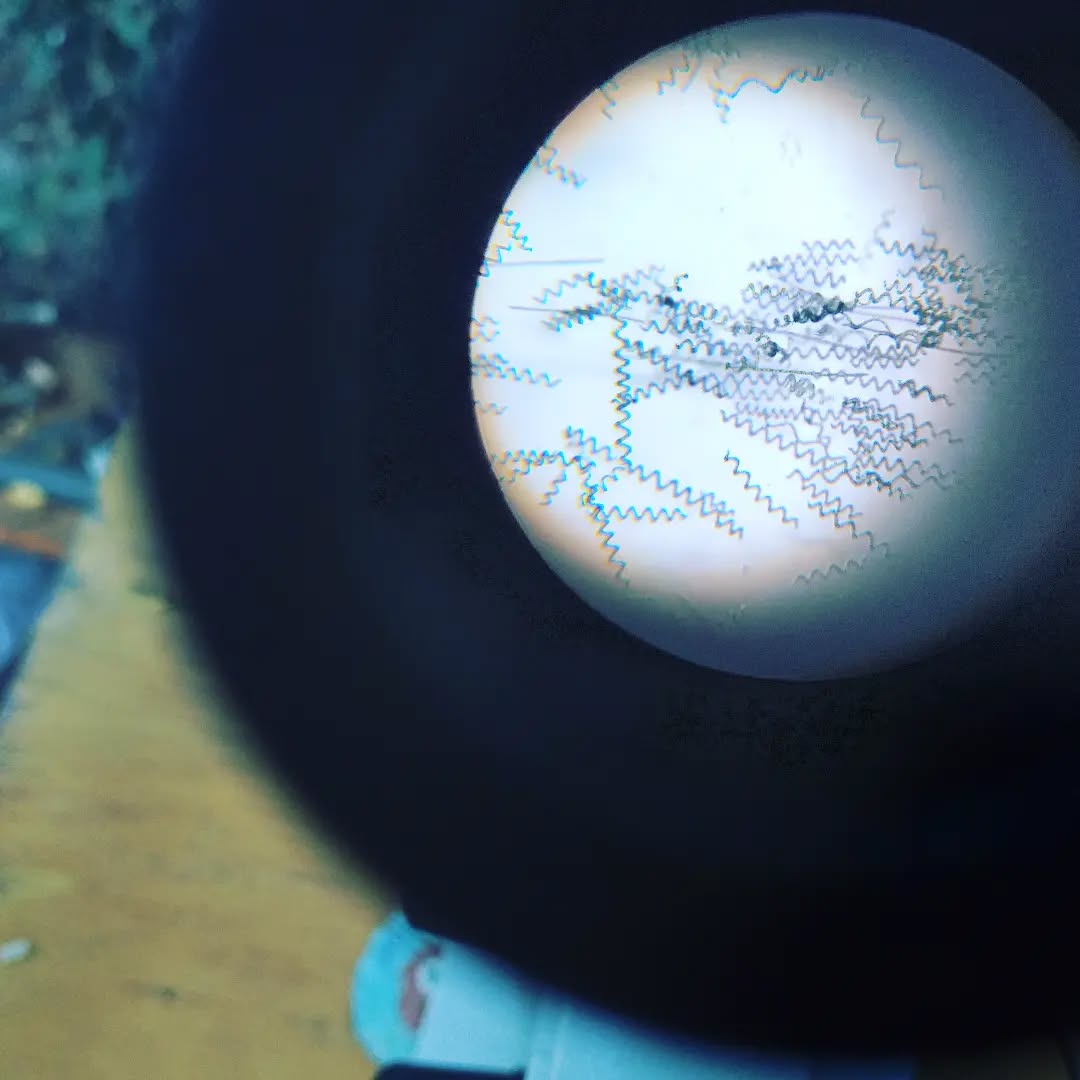
The Secret of the Asgard Arks and the Magic of Cyanobacteria
Yun was a clever and curious boy who lived in a tree with his father, a kind but sometimes grumpy tech-wizard. Yun often got bored and was always looking for something new and exciting to do.
One day, whilst exploring the forest, he found a strange song inside a hollow tree trunk that transported him back to the Archaic era, more than two billion years ago. A long time ago, when the Earth was very young, there were no plants, animals or people; there were only rocks, water and some gases in the air. But at the bottom of the sea, near the hydrothermal vents, lived some very special creatures: the archaea.
Archaea were very small microorganisms – so small that they could only be seen under a microscope. They were extremely hardy and could withstand extreme conditions of temperature, pressure and acidity. Among the archaea, there was a special group: the Asgard archaea. These archaea had a secret: inside their cells they harboured fragments of other cells that they had swallowed. These fragments were called endosymbionts and had a very important function: to help them obtain energy.
The endosymbionts were bacteria with superpowers: cyanobacteria. These bacteria had the ability to carry out photosynthesis – that is, to use sunlight to convert water and carbon dioxide into sugar and oxygen. The sugar served as food for the archaea, whilst the oxygen was a gas they released into the water.
The archaea of Asgard and the cyanobacteria lived in symbiosis; in other words, they helped one another. The archaea provided protection and nutrients to the cyanobacteria, and the cyanobacteria provided energy to the archaea. In this way, they formed a cell that was more complex and efficient than any other. But it was not all peace and harmony at the bottom of the sea. There were other archaea and bacteria that wanted to steal the secret from the Asgard archaea. These archaea and bacteria were very aggressive and attacked the Asgard archaea in an attempt to eat their endosymbionts.
The Asgard archaea had to defend themselves against these attacks, and to do so they relied on the help of their endosymbionts … (to be continued)
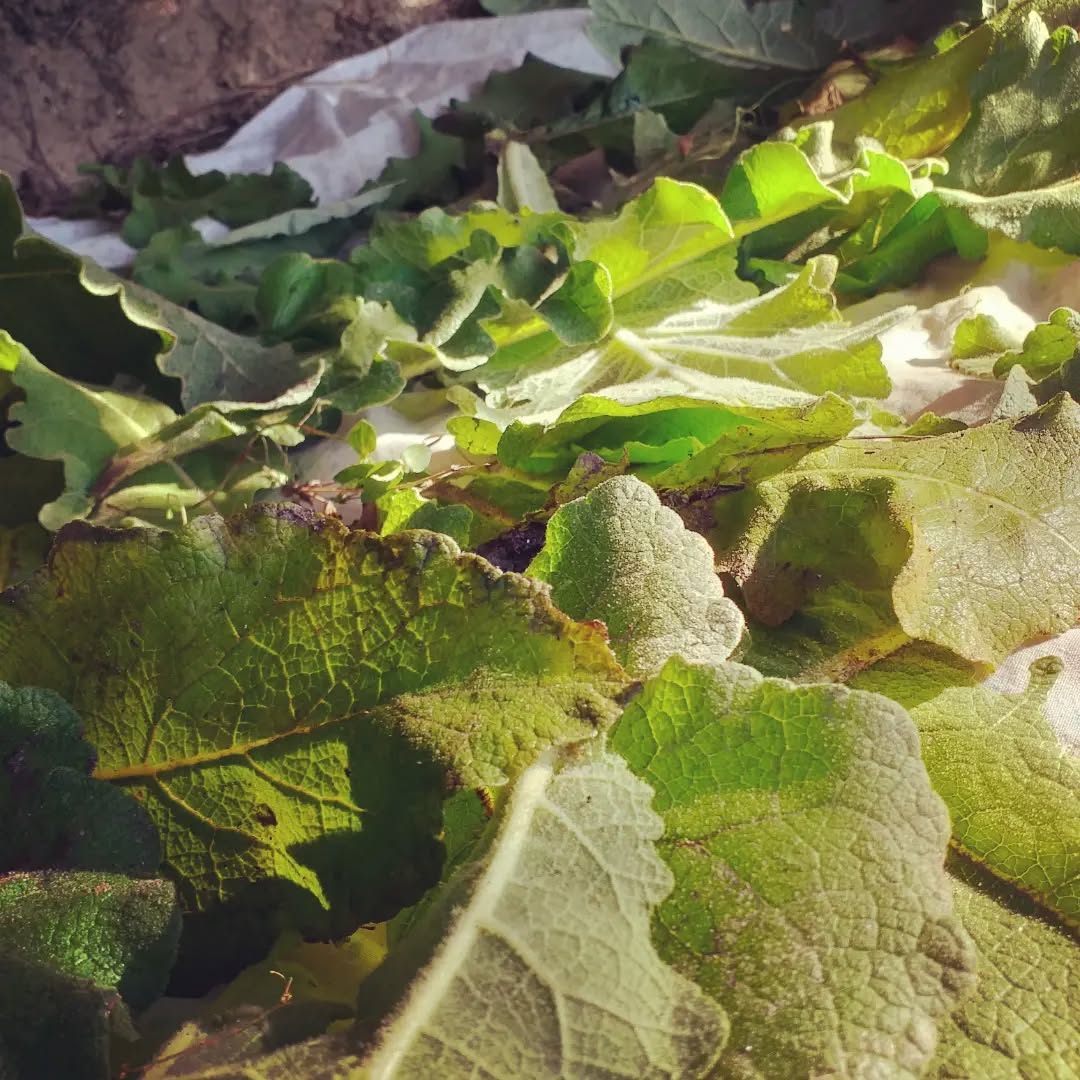
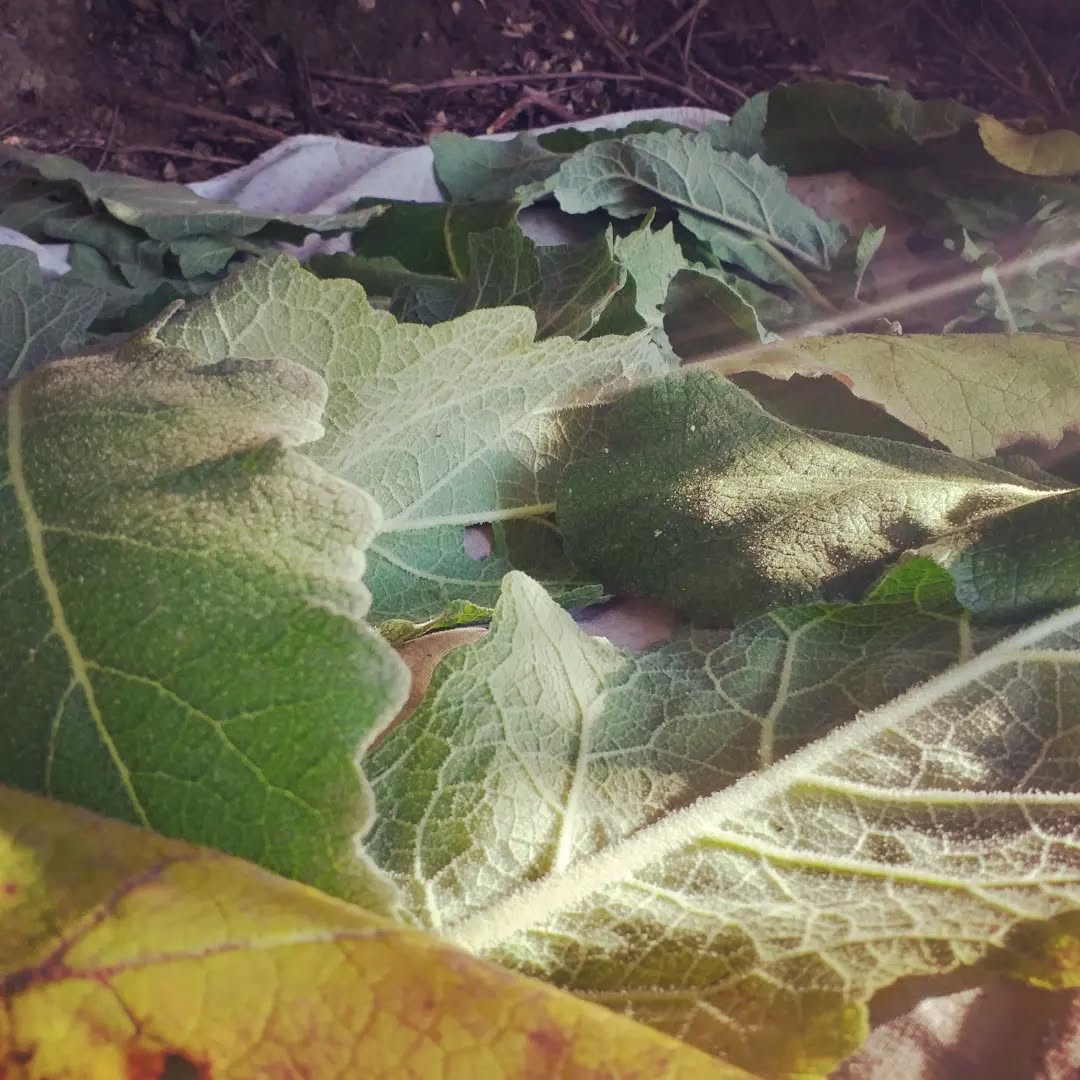
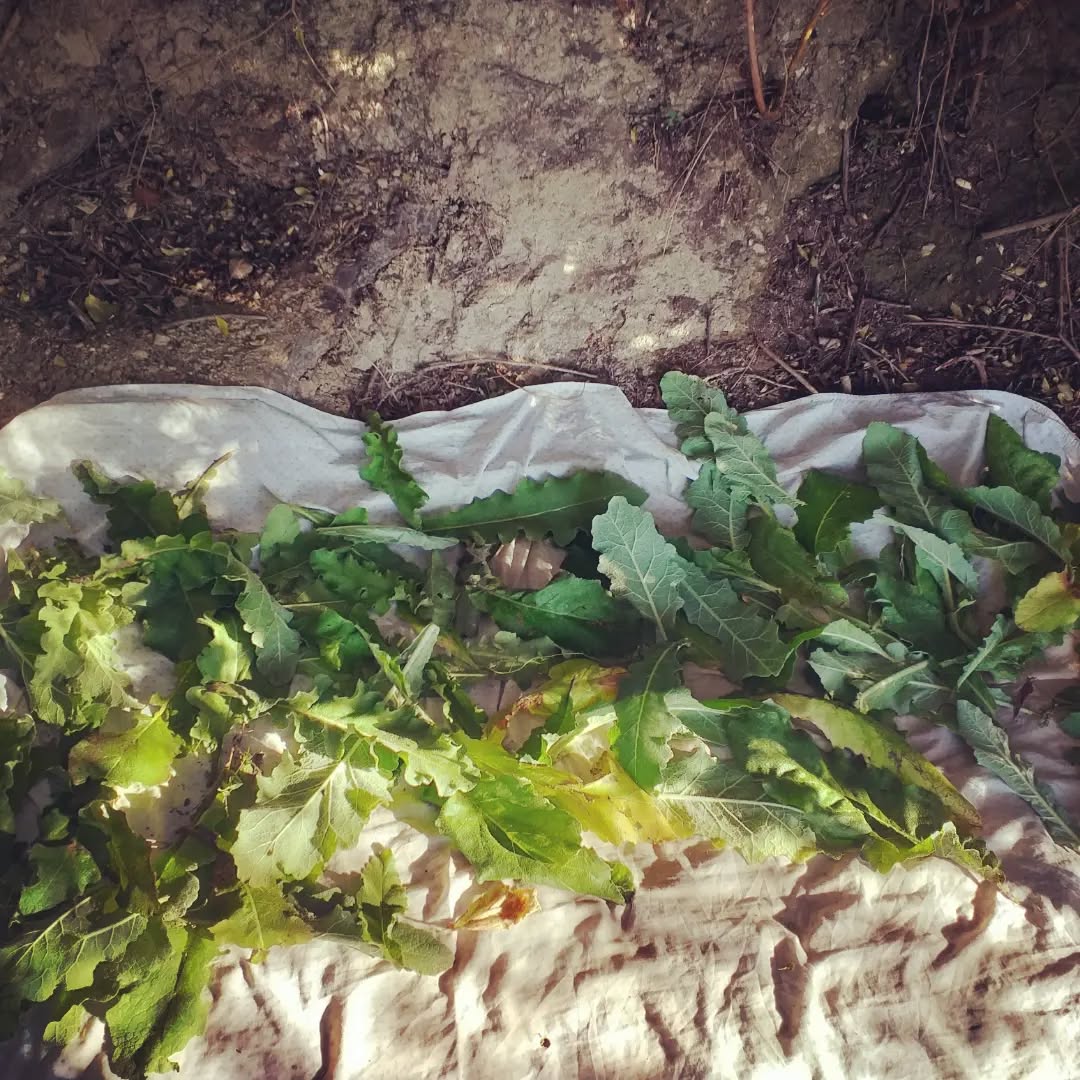
Mullein (scientific name Verbascum thapsus L., also commonly known as ‘bearded mullein’) is a biennial herbaceous plant belonging to the Scrofulariaceae family. It grows to a height of over 2 metres and is covered in dense, soft down. The flowers are yellow and have a diameter of 1.5–3 cm. It is also depicted in Caravaggio’s paintings, for example at the feet of St John the Baptist, symbolising the ‘root of Jesse’ (Isaiah 11:1).