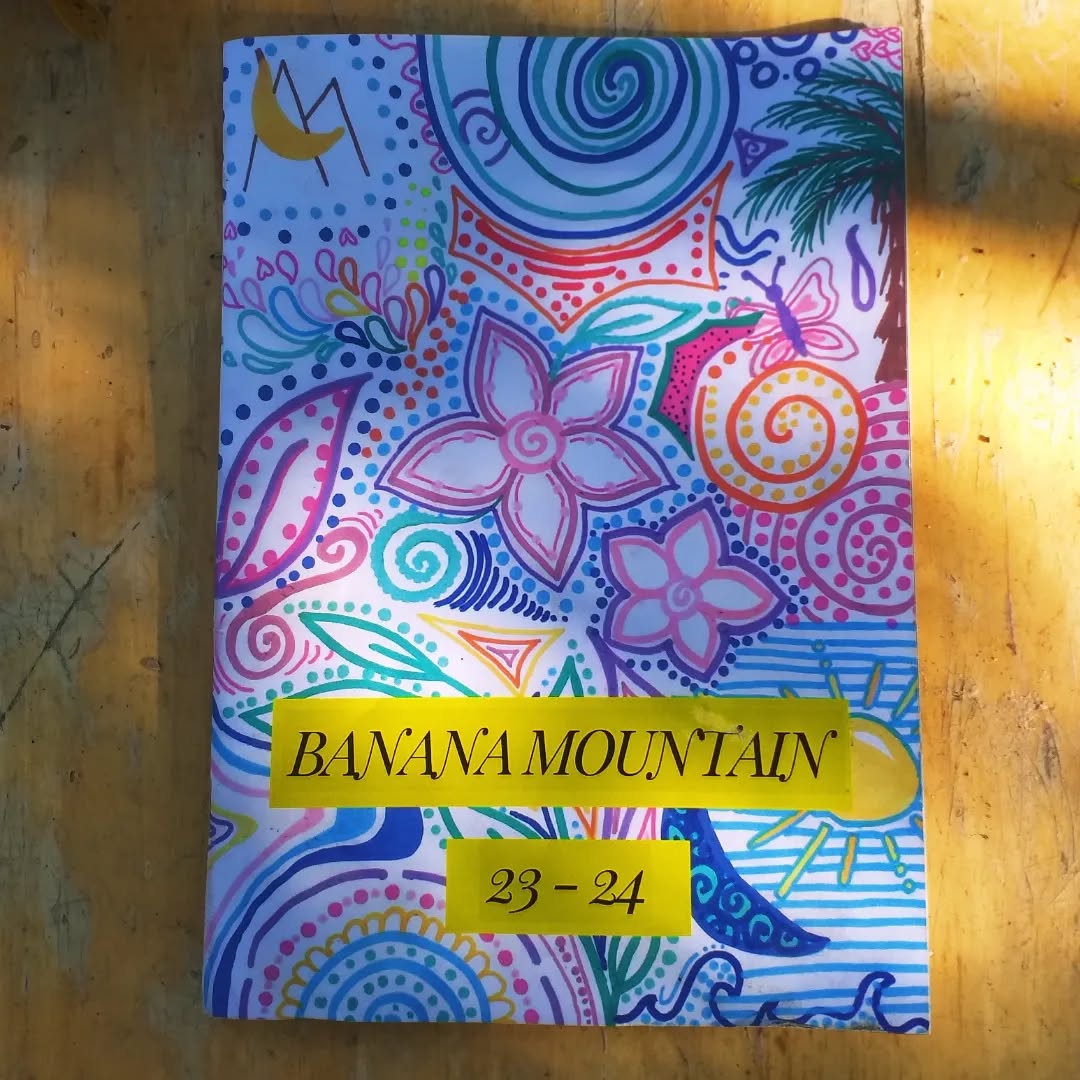
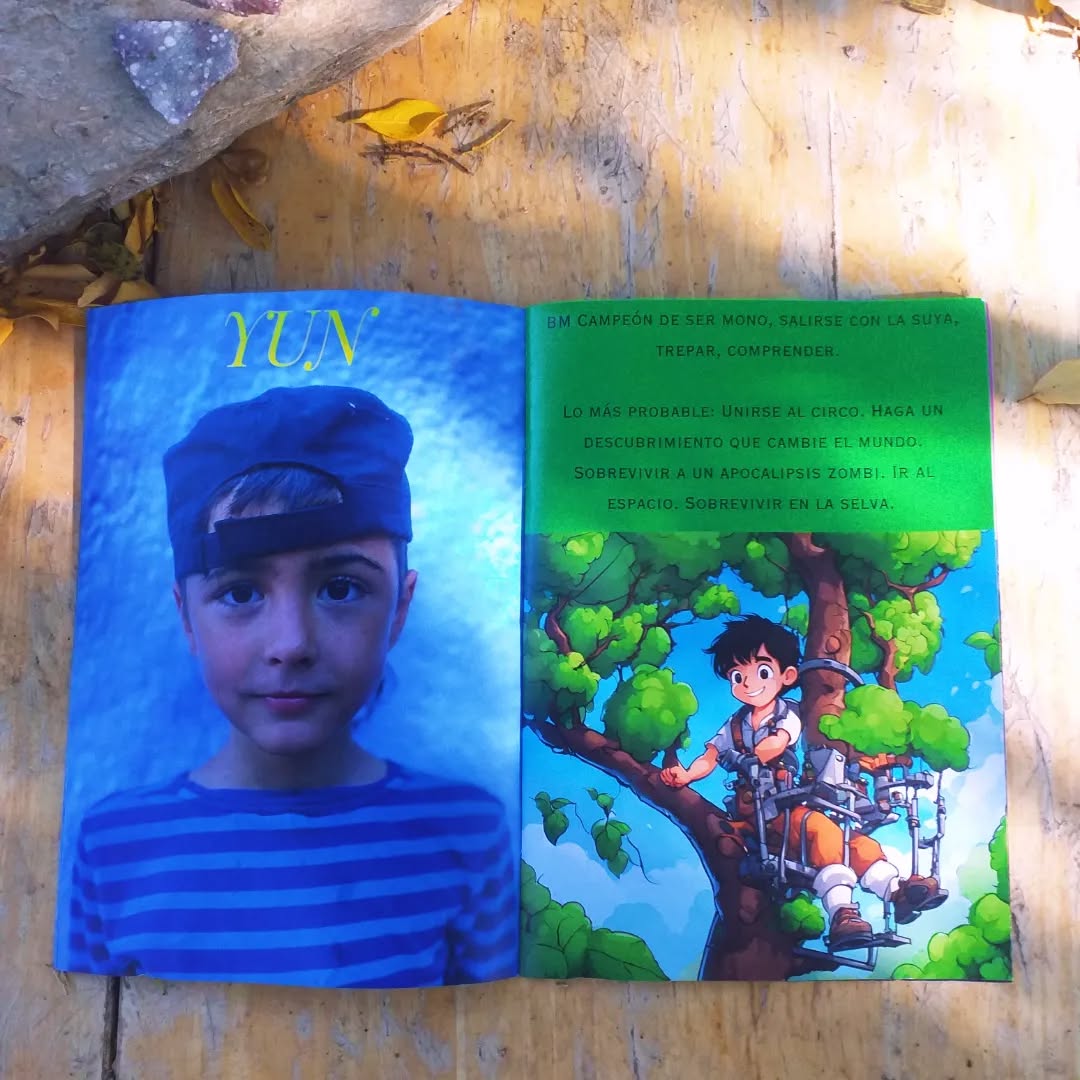
BM 23/24 yearbook!

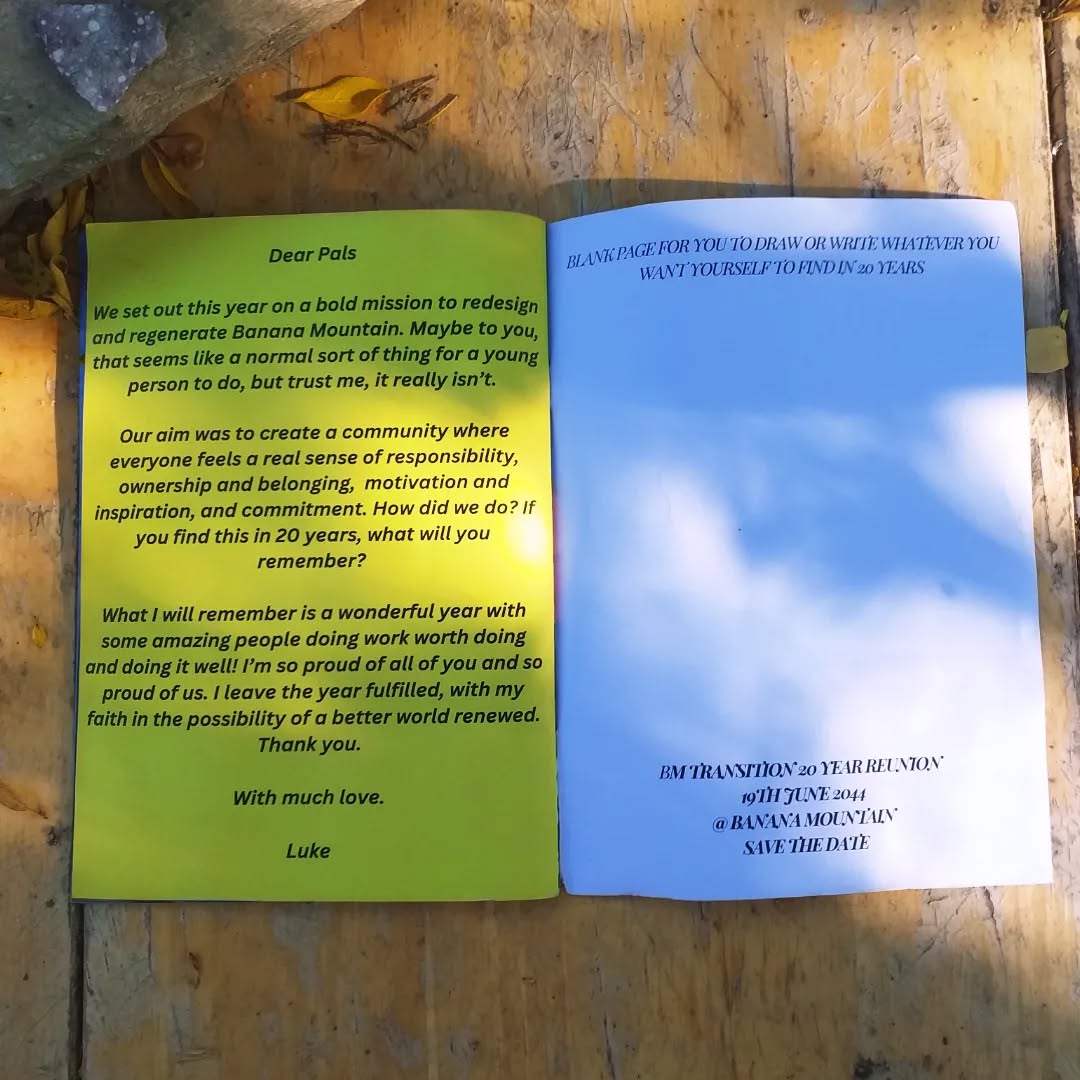
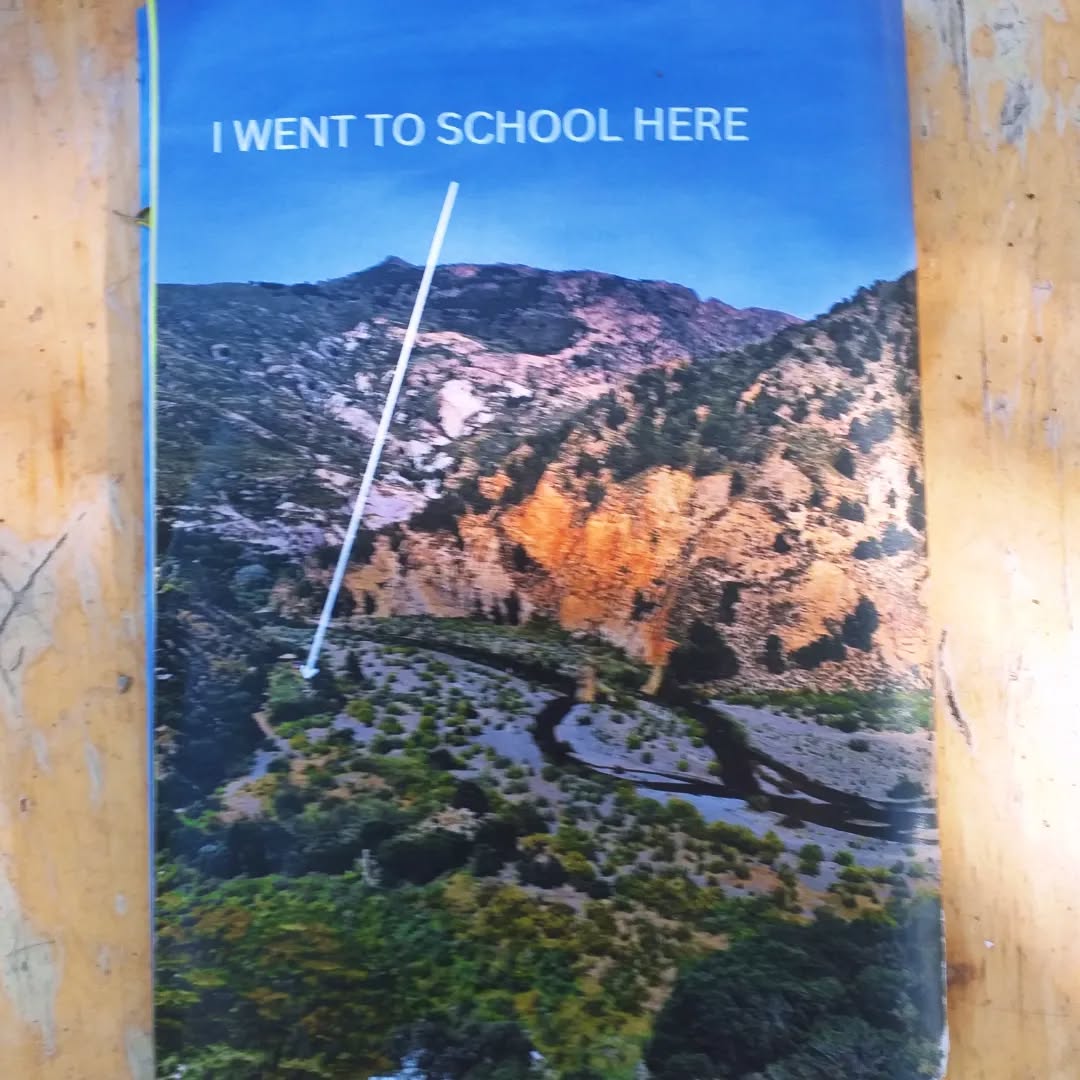

… I went to the woods because I wished to live deliberately, to front only the essential facts of life, and see if I could not learn what it had to teach, and not, when I came to die, discover that I had not lived. I did not wish to live what was not life, living is so dear; nor did I wish to practice resignation, unless it was quite necessary. I wanted to live deep and suck out all the marrow of life, to live so sturdily and Spartan-like as to put to rout all that was not life, to cut a broad swath and shave close, to drive life into a corner, and reduce it to its lowest terms, and, if it proved to be mean, why then to get the whole and genuine meanness of it, and publish its meanness to the world; or if it were sublime, to know it by experience, and be able to give a true account of it in my next excursion.
Henry David Thoreau


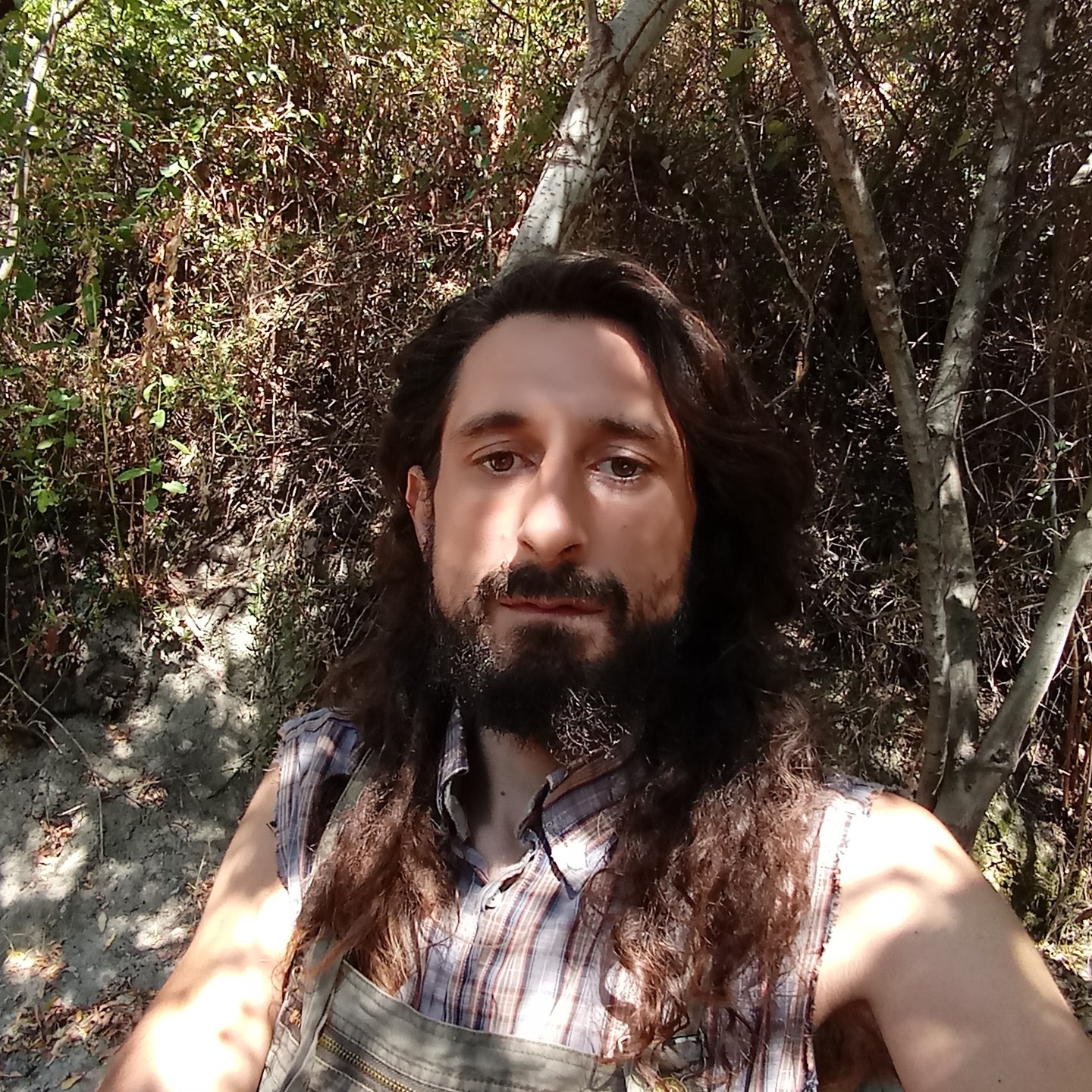
Ahmed Al-Kamel, the Pilgrim of Love, son of the King of Granada. An astrologer predicted that the prince would lead a fortunate life… provided he did not experience love before reaching middle age. So his father confined him to the Generalife: there he grew up with only his tutor, Eben Bonabben, for company. As Ahmed grows older, he becomes bored with his tutor’s algebra lessons. Realising that his pupil needs something to speak to his heart, the tutor teaches him the language of the birds… and that is when the trouble begins. The birds sing of love, and one of them helps him fall in love with a Christian princess. Ahmed escapes from the Alhambra and, having become the Pilgrim of Love, travels through Andalusia and Castile in search of her, accompanied by an old Muslim owl and a Christian parrot.
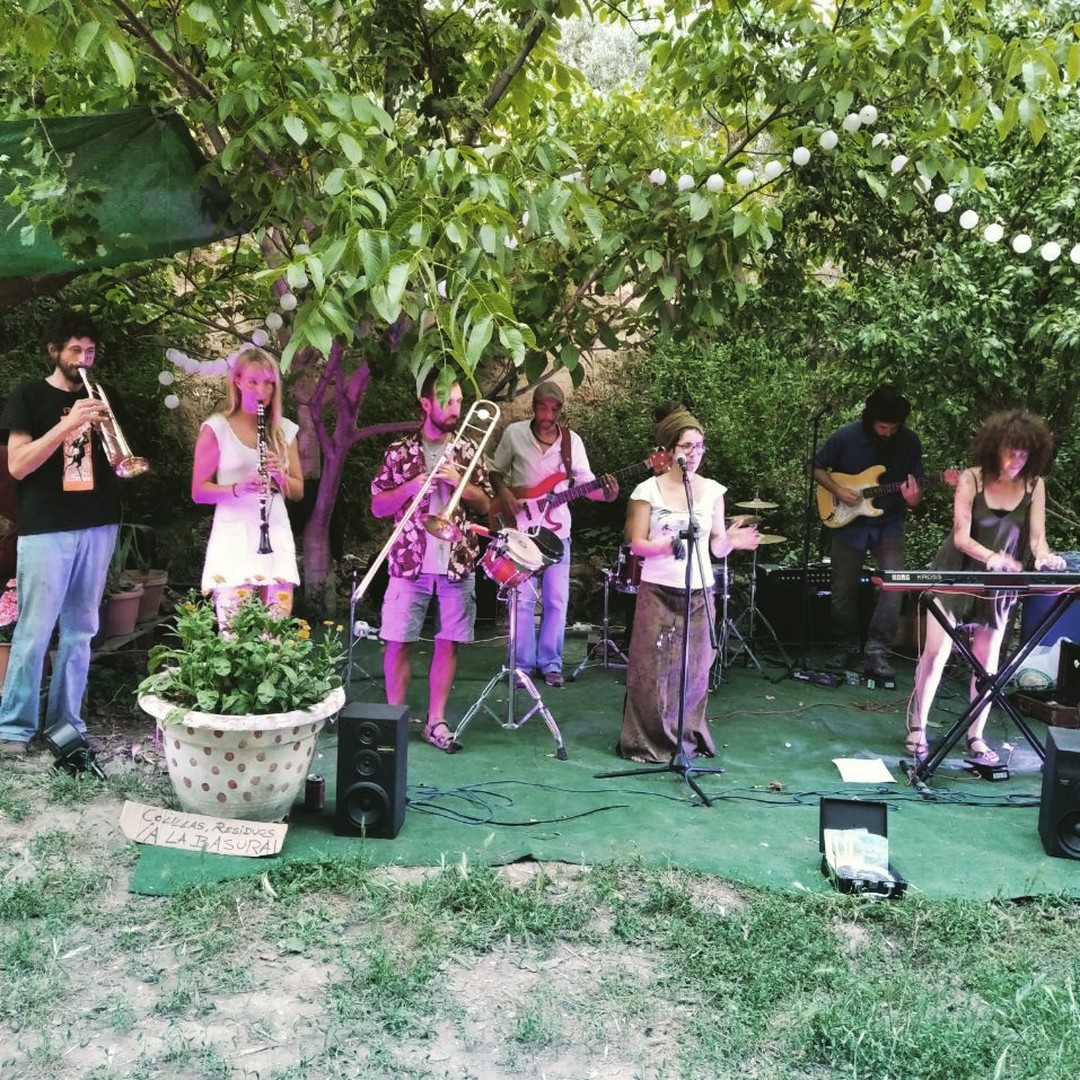
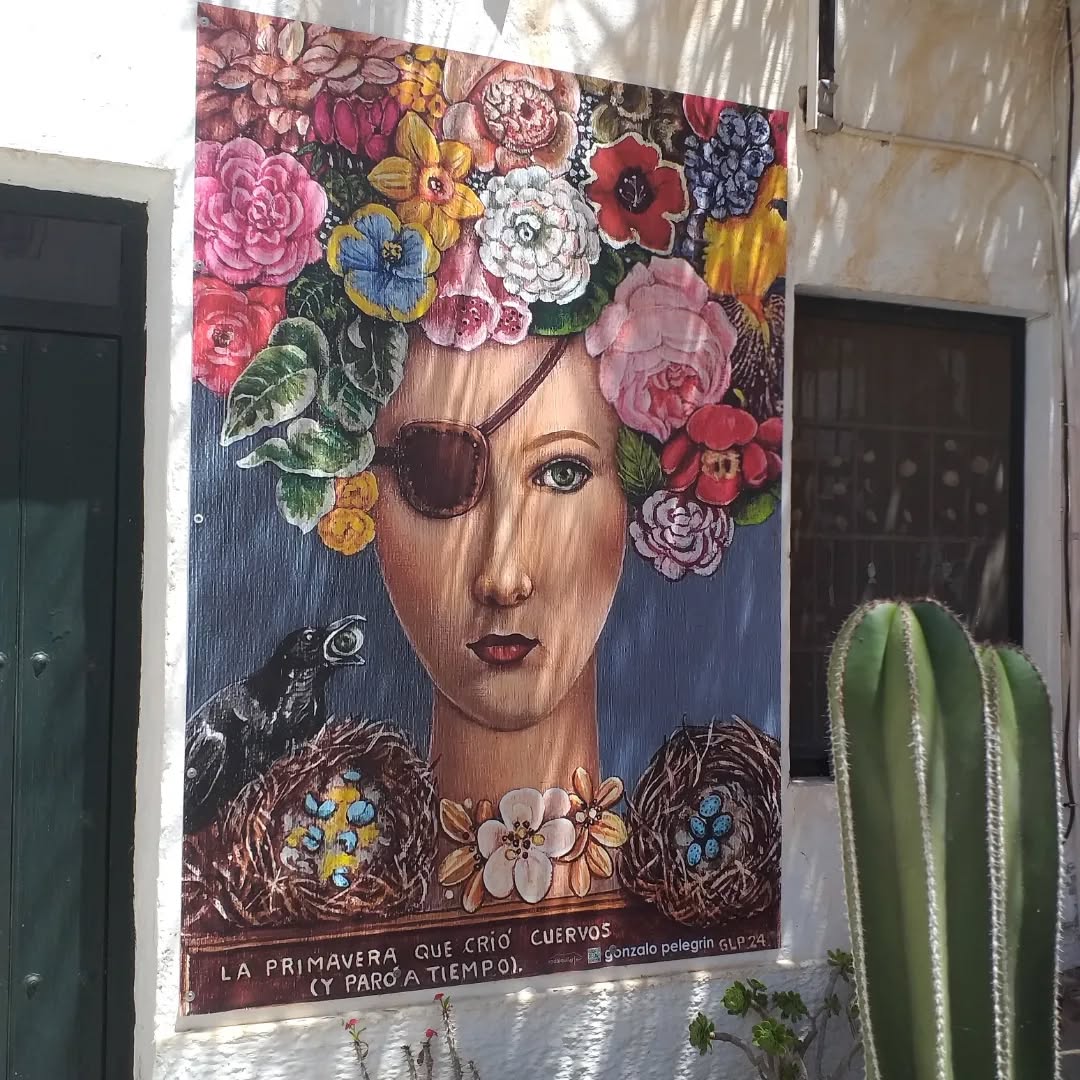
I read that the reason we find birdsong so relaxing is because our nervous systems have been hard-wired over thousands of years to connect birdsong with safety. Birds won’t sing when there are predators around, so if there is birdsong in the air it means there is no imminent danger nearby. This connection to safety makes us feel relaxed and at peace. It is also thought that the specific frequencies of birdsong are calming for the brain – research conducted in 2022 found that the sound of birdsong can improve mood by reducing anxiety and depressive symptoms

Pandora. Portrayed as the antithesis of man, her nature is dark and destructive. This Hesiodic characterisation, based on biological determinism, would come to be imposed on all women and serve to justify patriarchy. For the only way to contain the danger posed by women is through their domestication and taming by means of marriage.
This desire, moreover, is linked to the greater pleasure that sex afforded him. The paradigm of this latter theme is represented in the myth of Tiresias. The seer was the only mortal capable of living as both a man and a woman. That is why Zeus and Hera summoned him to Olympus to resolve the dispute over which sex derived greater pleasure from sexual intercourse. The seer stated that women enjoyed nine out of every ten parts, whilst men enjoyed only one. This domination was to be effected through marriage, a patriarchal symbol of civilisation that established gender roles. Relegated to the home, to the private and domestic sphere, women would fulfil their civic duty: motherhood. Thus, the spectre of Pandora was banished, for marriage would neutralise all the dangers that women represented. Their deceptive voice would be silenced. Her lack of restraint would not affect the political arena, as she was deprived of rights. Her sensuality and lust yielded to marriage, which would grant the husband control over sexuality and offspring. Thus, marriage is the great civilising force of the patriarchal order, which would even serve to tame the greatest terror of all: the Amazons. Indeed, around midday, the Amazons would do the following: they would usually disperse individually or in pairs, moving a fair distance apart from one another to attend to their needs. And when the Scythians realised this, they did the same. These sexual unions became so frequent that the Scythians and the Amazons eventually decided to merge their camps. Like that of the Greeks, marriage among the Amazons would become a means of exchanging and passing on wealth from one generation to the next.

Chaoscracy: Imagine a perfect, completely impartial six-sided die. If you roll it, you do not know what you will get. You know that the possibilities are limited; the result will be a positive integer such that 0
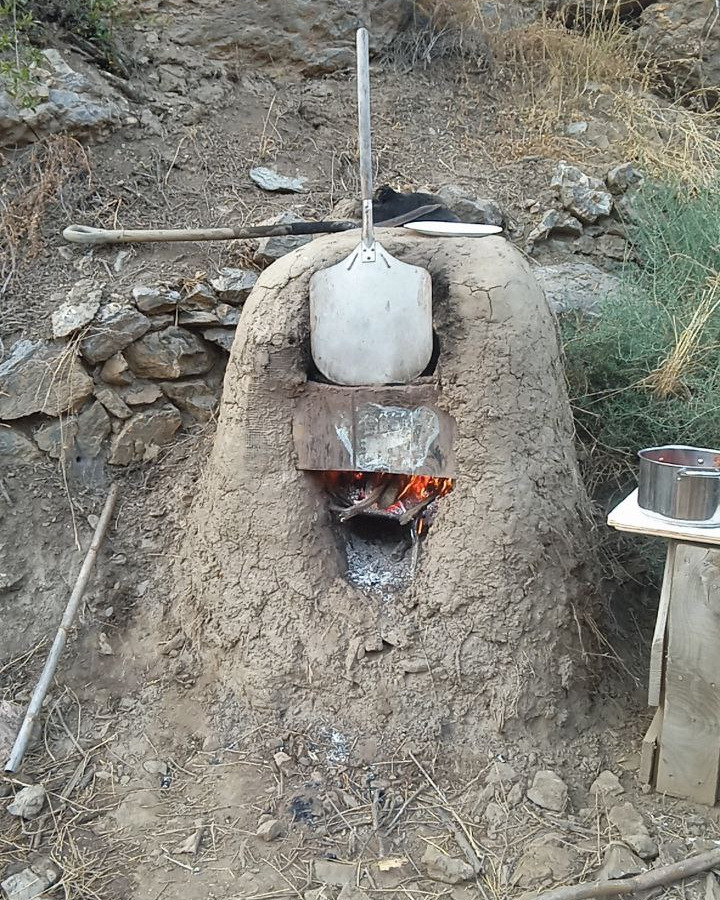
13 pizzas, 3 with vegan mozzarella. It’s a wheelbarrow with a paella pan on top that I found in the scrap heap. I cut off the handles; the fire burns underneath the wheelbarrow, so to speak, and there’s clay in the wheelbarrow to support a marble slab. Then the pizza goes on, with the paella pan on top acting as the oven’s dome. Next, add 9 wheelbarrow loads of clay, dry brushwood, dried herbs and rocks from the surrounding area to give it structure. The heat circulates in two ways: on one side, it warms the base of the
wheelbarrow and heats the marble, and consequently the base of the pizza; on the other, it enters the wheelbarrow through some holes in the sides, bounces off the paella pan and melts and browns the mozzarella. The shovel you can see at the back is used to regulate the temperature between the top and bottom of the pizza. Then, whilst it was still damp, I lit a good fire and it cooked straight away (and it didn’t explode!). A total of three very pleasant afternoons
celebrating the miracle of democratic education.
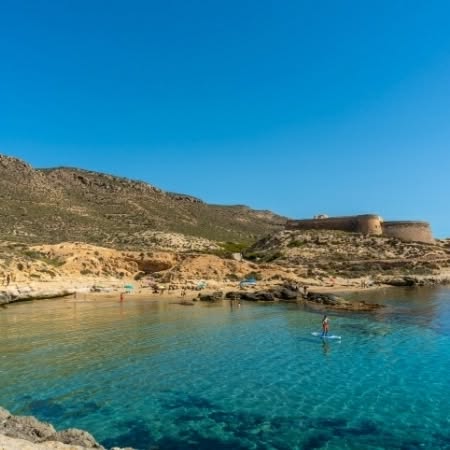
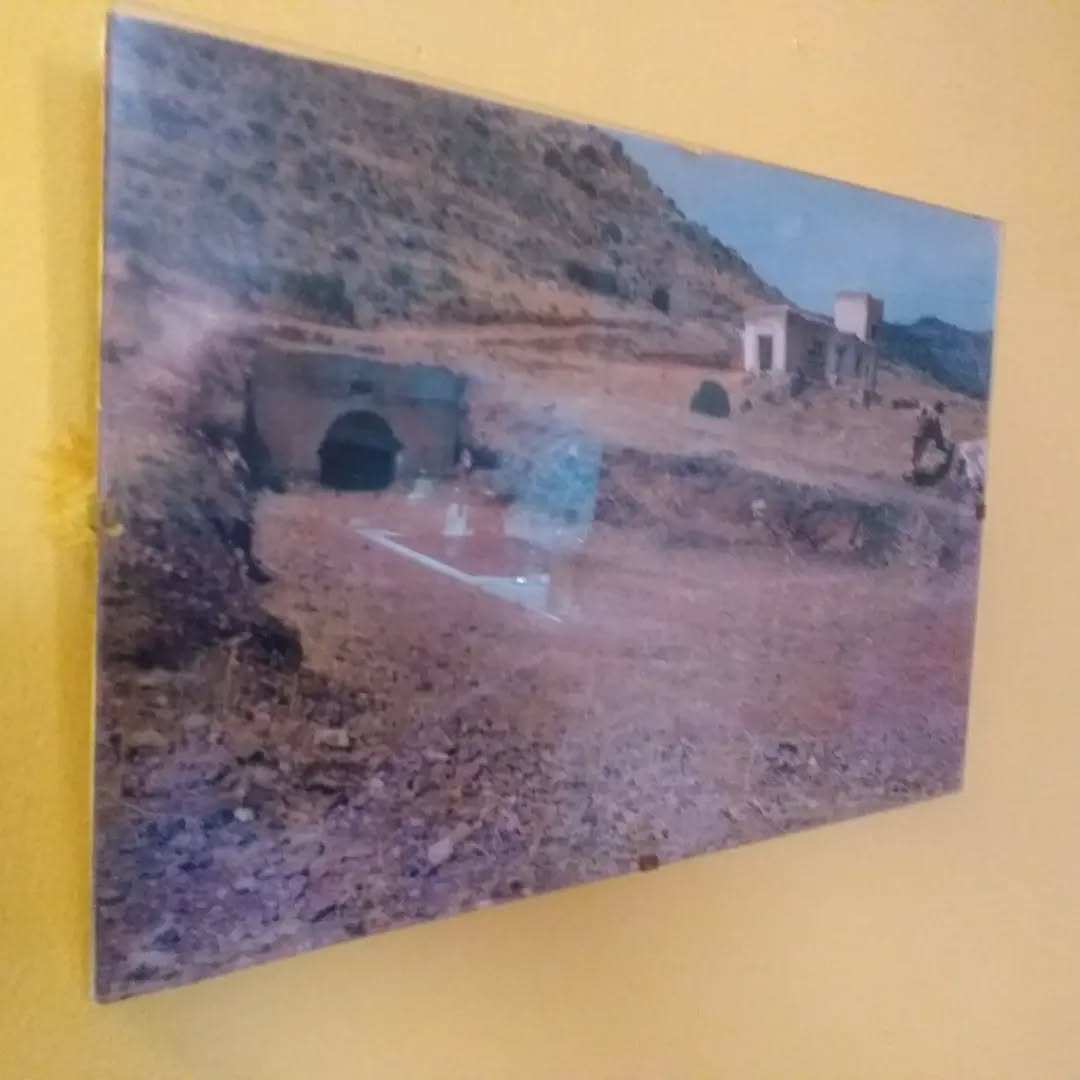
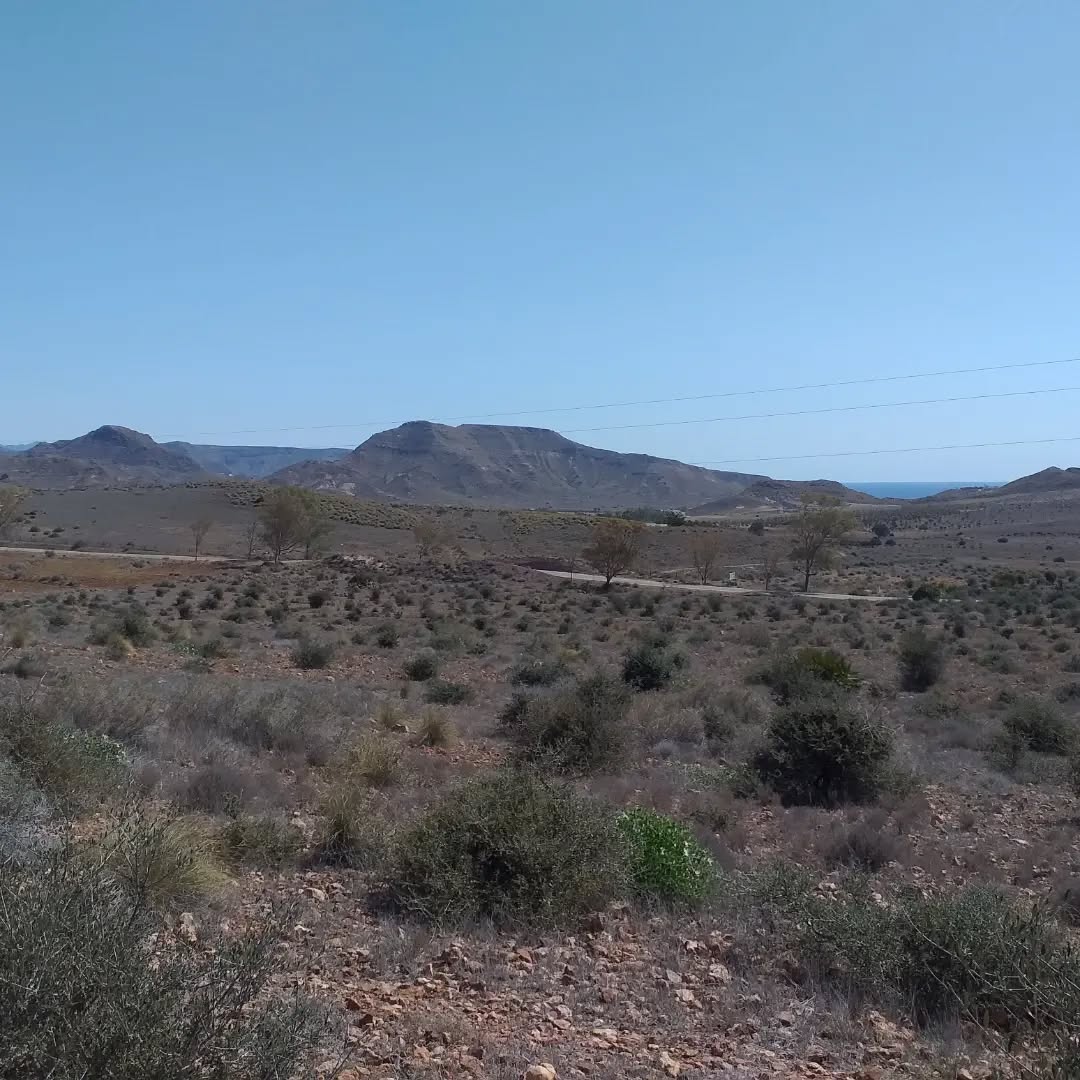
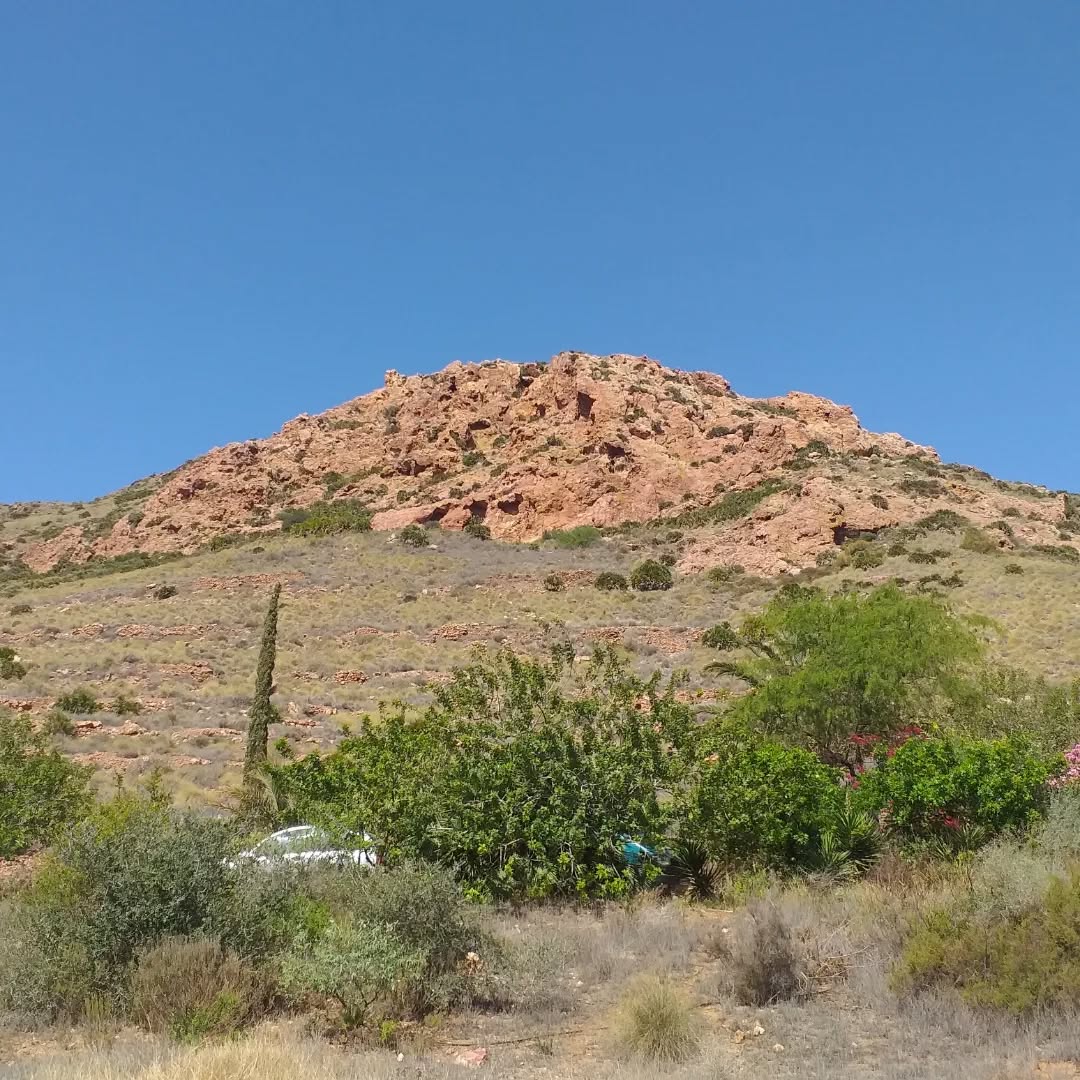
Although quarrying in the area began with the extraction of alum in the 15th century, followed by lead and silver in the 19th century, it was not until the early 20th century that the region’s first gold processing plant was established, ‘Planta Dorr’
The ‘Rodalquilar Gold Mines’ area has served as a film set for many Hollywood production companies. ‘Get Down, You Bastard!’ (1971), ‘The Warriors of the Sun’ (1986), ‘Indiana Jones and the Last Crusade’ (1989), ‘The Mystery of Wells’ (2003), ‘Zomerhitte’ (2008), ‘Exodus: Gods and Kings’ (2014), ‘Banana Mountain: The Revenge’ (2024), amongst many others.’

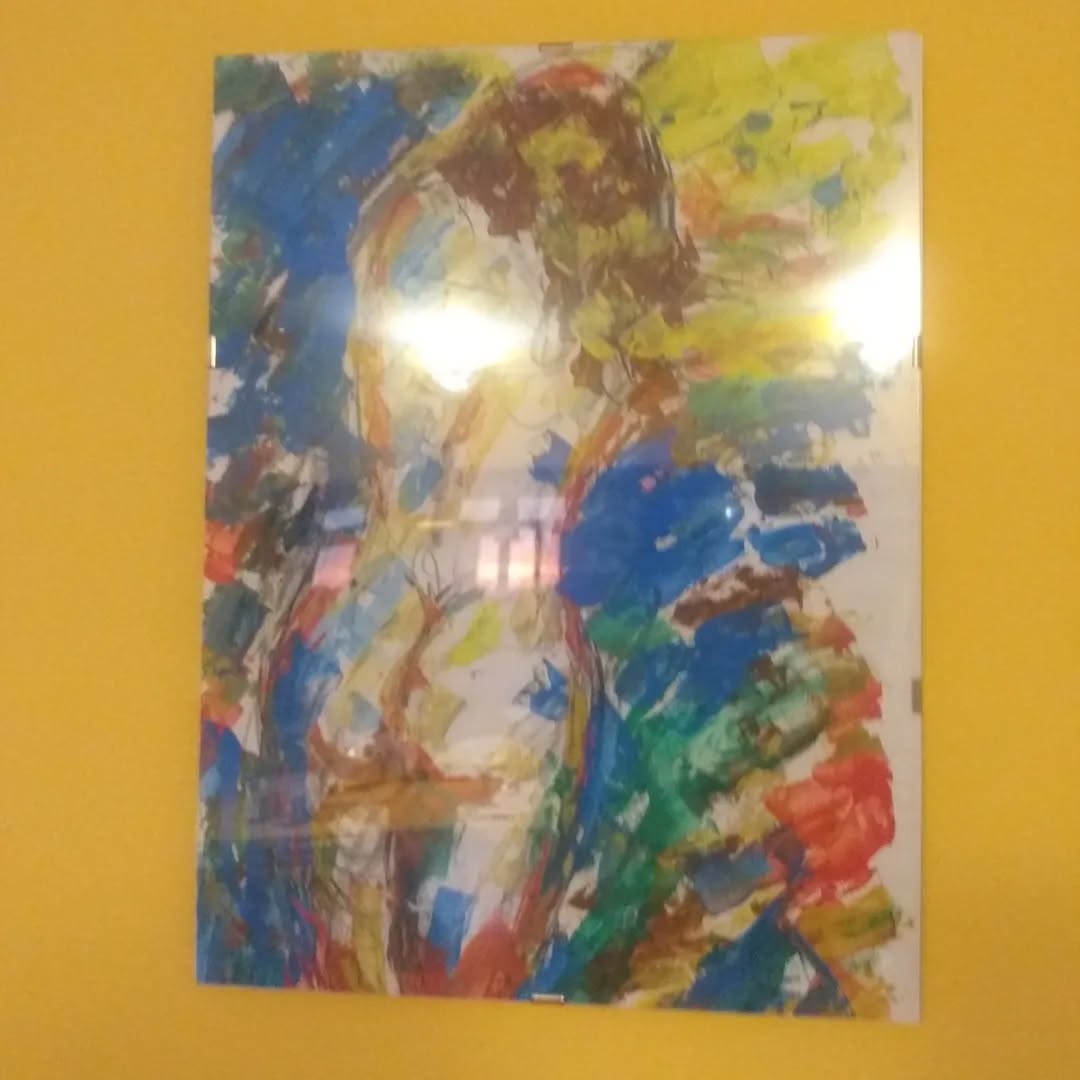

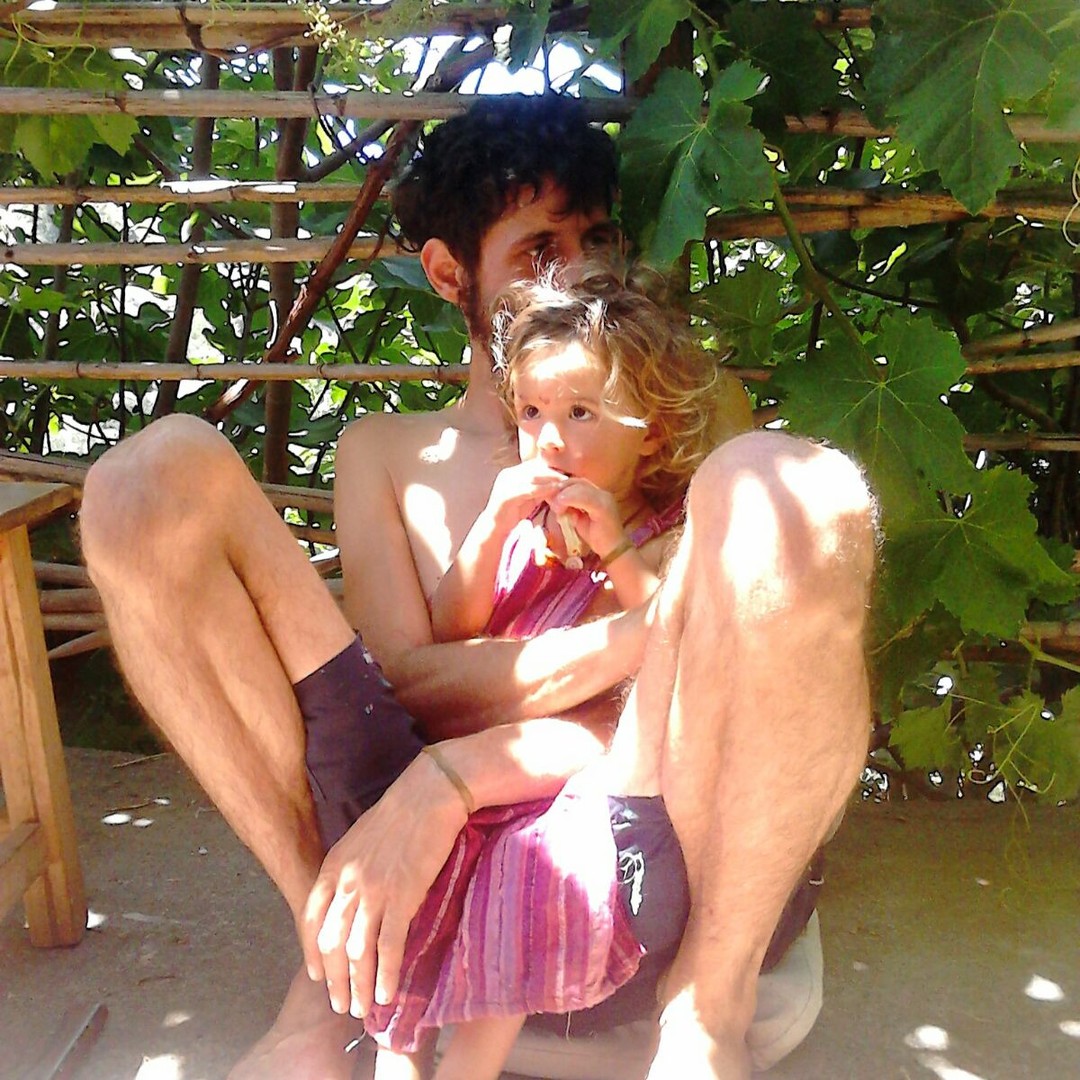
The Rubicon is that moment when a child feels they are no longer a little child (they have grown up and something within them has changed), but is frightened by the prospect of growing older, because of all that venturing out into the world entails. It can be a time of great inner turmoil. And the emotions that can arise from this are varied and intense. Around 49 BC, Julius Caesar was returning to Rome at the head of his troops following his victorious campaign in Gaul. However, Roman law forbade generals from entering Italy with their armies; they were required to disband their forces before crossing the border, which ran along the River Rubicon, on pain of death. Caesar was aware of this law; and, tormented by doubts, he decided to cross the Rubicon, knowing full well that this act would mean civil war against Rome’s consuls at the time. According to tradition, Caesar uttered the famous phrase ‘Alea jacta est’ (the die is cast) as he prepared to cross the river with his troops, signalling that there was no turning back after that act. He had no choice but to face the inevitable consequences. Civil war did indeed break out and ended in Caesar’s victory.