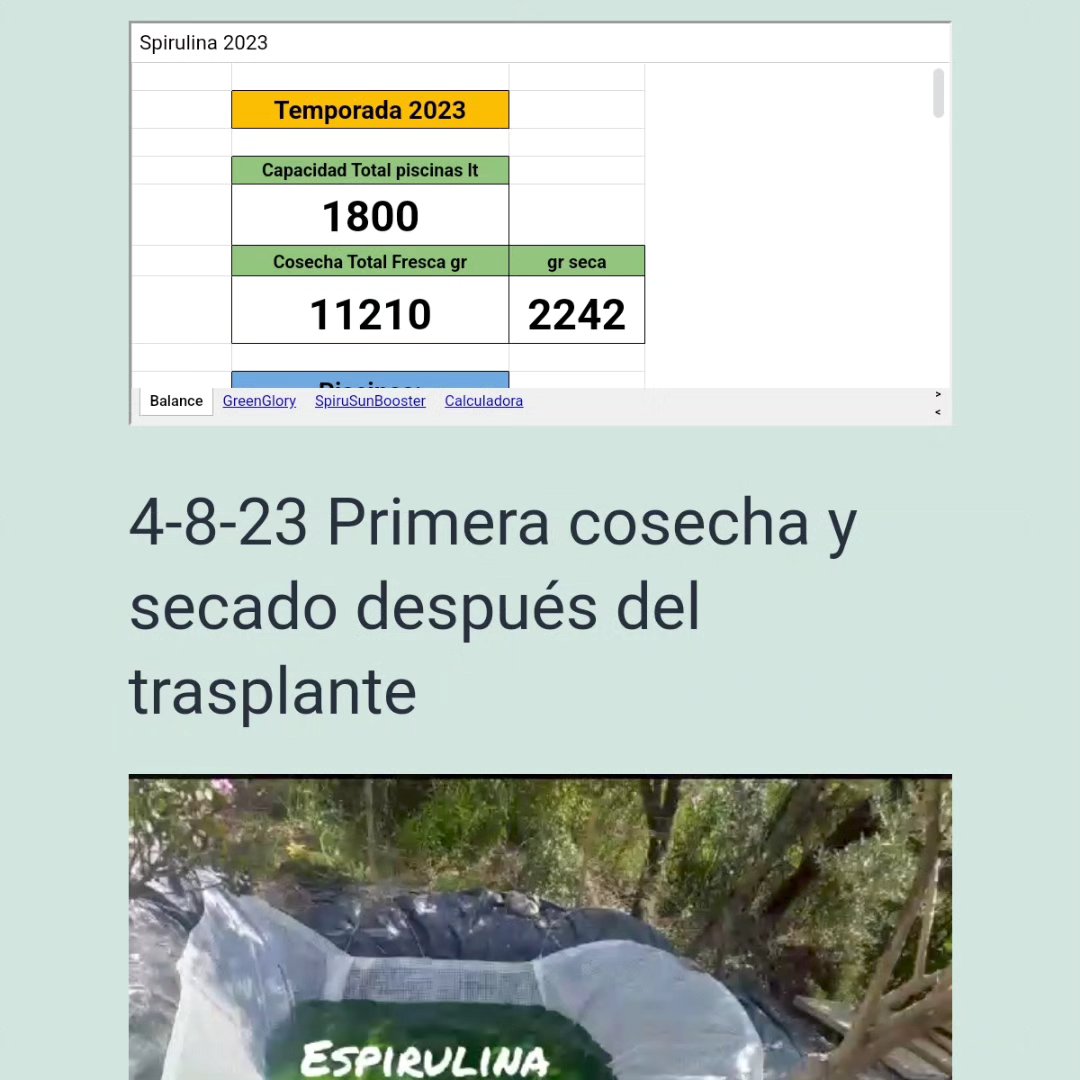
Summer 2023: 11 kilos of fresh spirulina!
Category: Instagram
-
In 2010, I participated in a workshop on spirul…
In 2010, I participated in a workshop on spirulina, which led me to start my first cultivation a few months later.
Technology Development for Plants
In 2013, my mother commissioned me a machine for plants to make music. I finished the decoding unit and the machine arrived in Italy in 2017. In 2022, I added a music box composed of aluminum tubing and seven electromagnets, which allowed the plants to “have a voice.”
Plant-Based Random Generator
In 2017, while analyzing the surface resistance of the plants, I discovered that I was looking at a random generator. The machine produced a random series of results, which varied depending on the plant species and environment. Although it did not decode the “emotions” of the plants, the measurements showed reactions in relation to the surrounding environment and people. Thanks to advances in artificial intelligence and machine learning, I now have the right tools to analyze the biological parameters of plants. Spirulina, being an ancient and simple organism, facilitates the standardization of results. Moreover, its growth in a liquid medium allows collecting parameters without invasive electrodes. Hardware and Software for Research
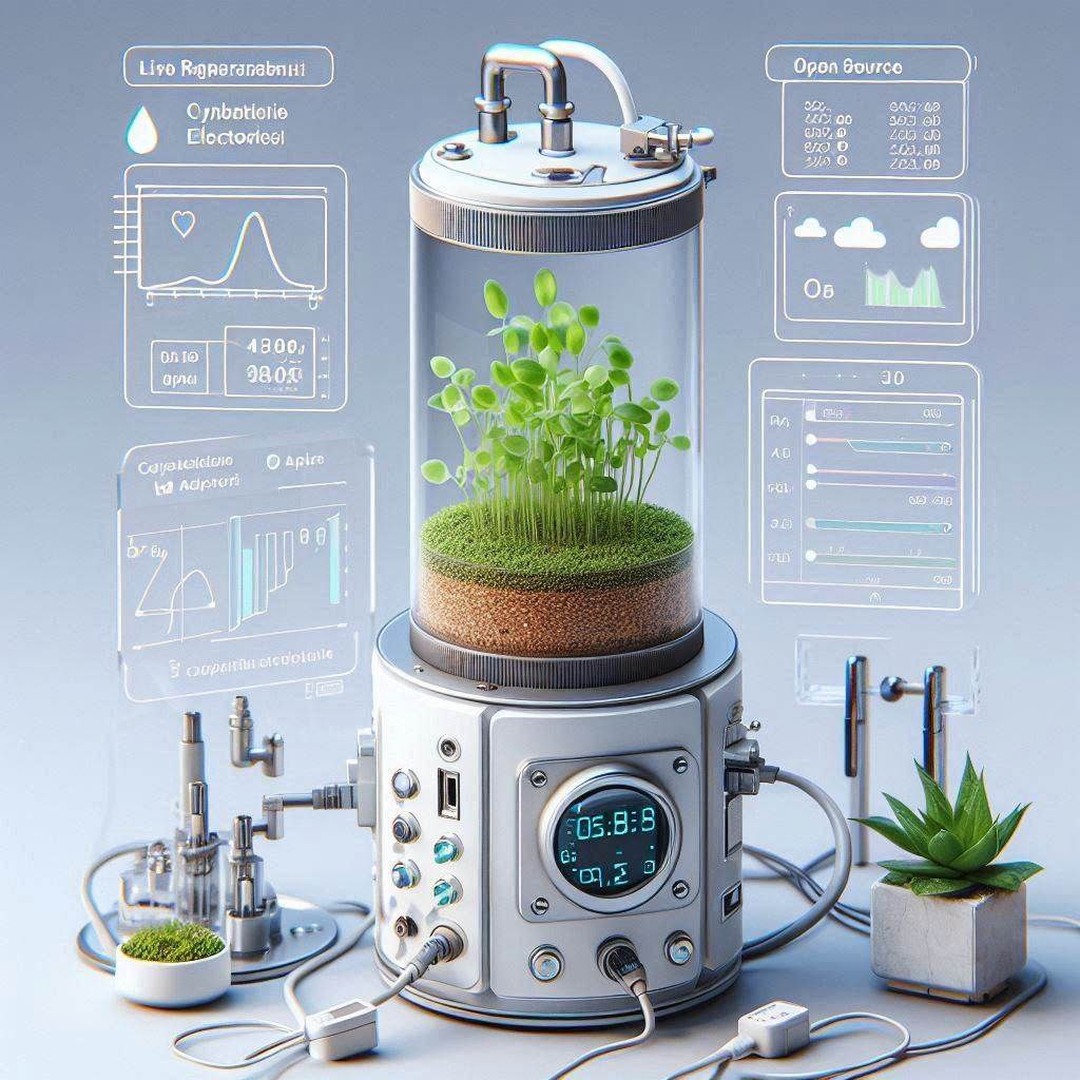
Hardware: A small apparatus containing a culture medium with cyanobacteria and the electronics needed to read variations in vital parameters.
Software: Open source software for live reading, cloud storage and analysis of the relationships between the specimen’s vital parameters and the external environment.
Natural Random Generator
The interest in this line of research lies in the complexity of obtaining a true random order. Computer random generators are pseudorandom and lack the accuracy of natural random order.
Interpretation of Plant Language
Understanding the potential of the plant world and its intelligence could mark a significant turning point in the evolution of planet Earth. -
Certificatio Ego, Emilius, civis Romanus, hoc d…
Certificatio
Ego, Emilius, civis Romanus, hoc documento me ipsum certum facio ut legatus Romae. Hac auctoritate, mihi conceditur potestas et ius plenarium ad condendam coloniam propriam, ubi in plena libertate et iure agere possim.
Datum Romae, die XXIII mensis Augusti, anno MMXXIV.
-
AI Surrealism Borges, in his silk suit and dre…
AI Surrealism
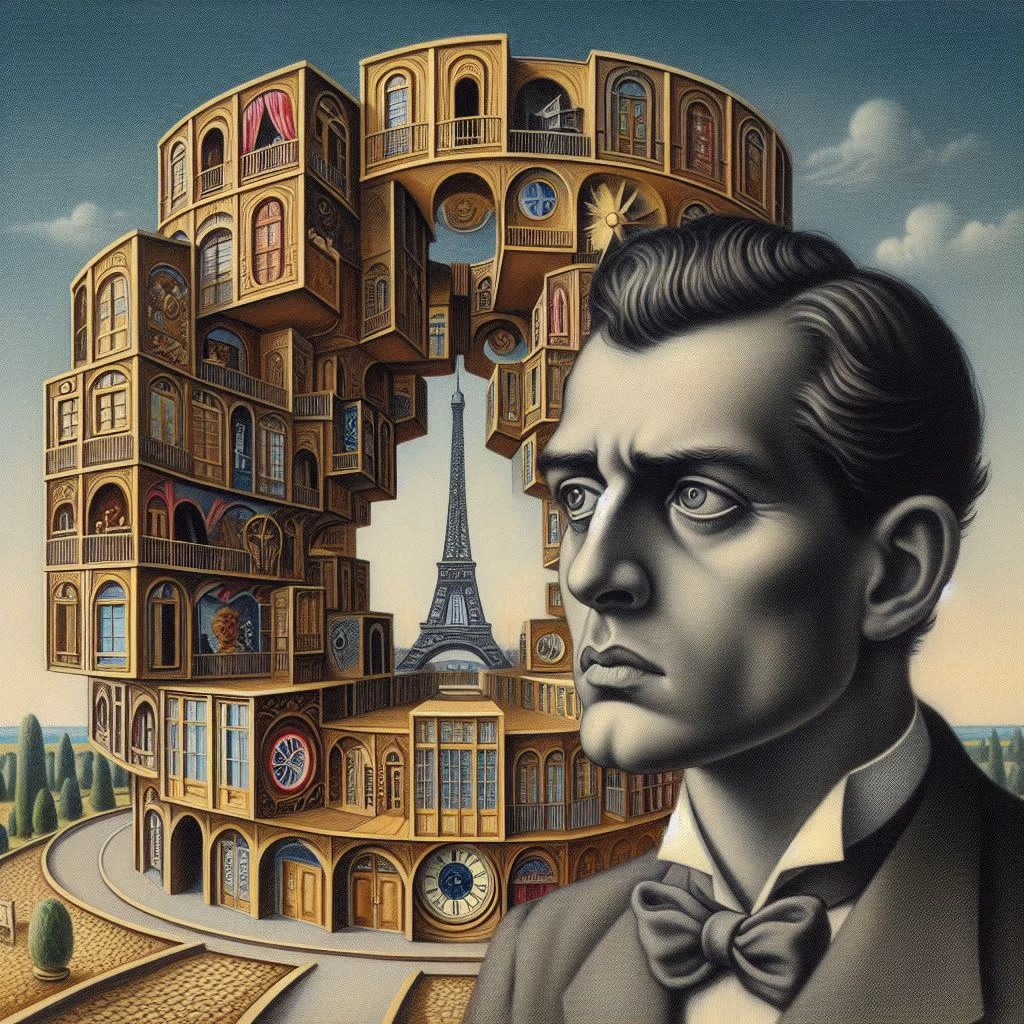
Borges, in his silk suit and dreamy gaze, stands in the heart of Montmartre, Paris. His dream is to build a palace where he can live with his three lovers: the eccentric painter, Jean-Luc; the enigmatic poetess, Isabelle; and the silver-handed musician, Étienne.
Borges knows that surrealism is an unpredictable journey. If Jean-Luc decides to paint Isabelle differently, or if Étienne composes a melody for a new love, Borges welcomes the change. Hearts are like abstract paintings, constantly evolving.
Expanding the Palace:
Suppose each lover needs his own room to meet the others. If we have three lovers and each has to have three other lovers, we have to calculate how many rooms are needed in total.
Rooms for the initial lovers= 4 rooms.
Rooms for new lovers:
Each new lover needs one room.
For each of the three initial lovers, there are three additional lovers.
Therefore, we need 3 × 3 = 9 additional rooms.
Total rooms:
We add up the initial rooms and the rooms for the new lovers: 4 + 9 = 13 rooms in total.
Modular design:
Create a standard room module that can be easily replicated.
Floor layout:
Arrange the rooms around a central courtyard or garden.
Use corridors or tunnels to connect the rooms.
Future expansion:
Design the building with the flexibility to add more rooms. -
Tengo algo que decir me digo – Federico García …
Tengo algo que decir me digo – Federico García Lorca
Tengo que decir algo me digo
Palabras que se disuelven en la boca
Alas que de repente son percheros
Donde el grito cae crece una mano
Alguien mata nuestro nombre según libro
¿Quién le arranco los ojos a la estatua?
¿Quién colocó esta lengua alrededor del
Llanto?Tengo algo que decir me digo
Y me hincho de pájaros por fuera
Labios que caen como espejos Aquí
Allá dentro las distancias se reúnen
Este norte o este sur son un ojo
Vivo alrededor de mí mismoEstoy aquí allá entre peldaños de carne
A la intemperie
Con algo que decir me digo. -
Per definizione propria della parola “famiglia”…
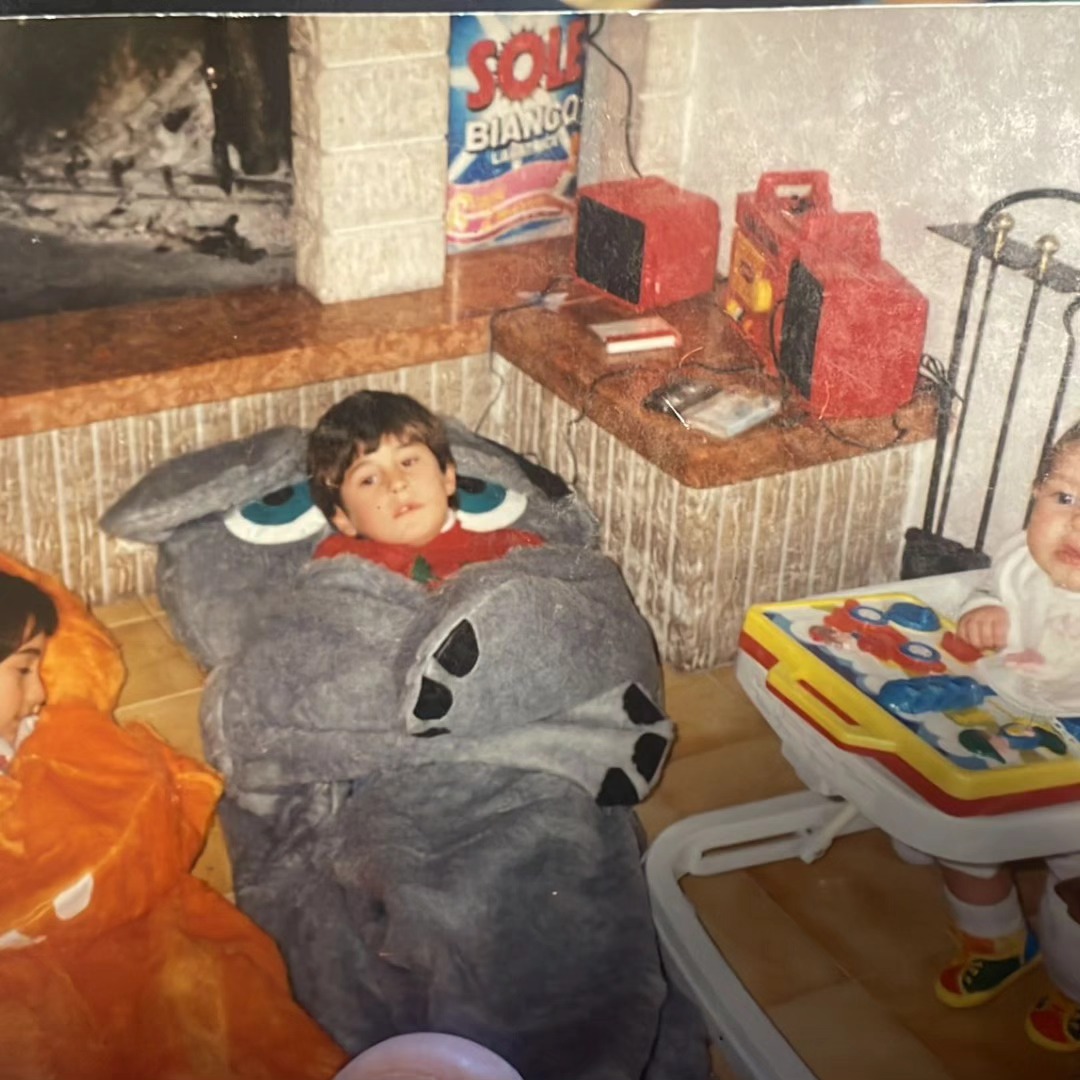
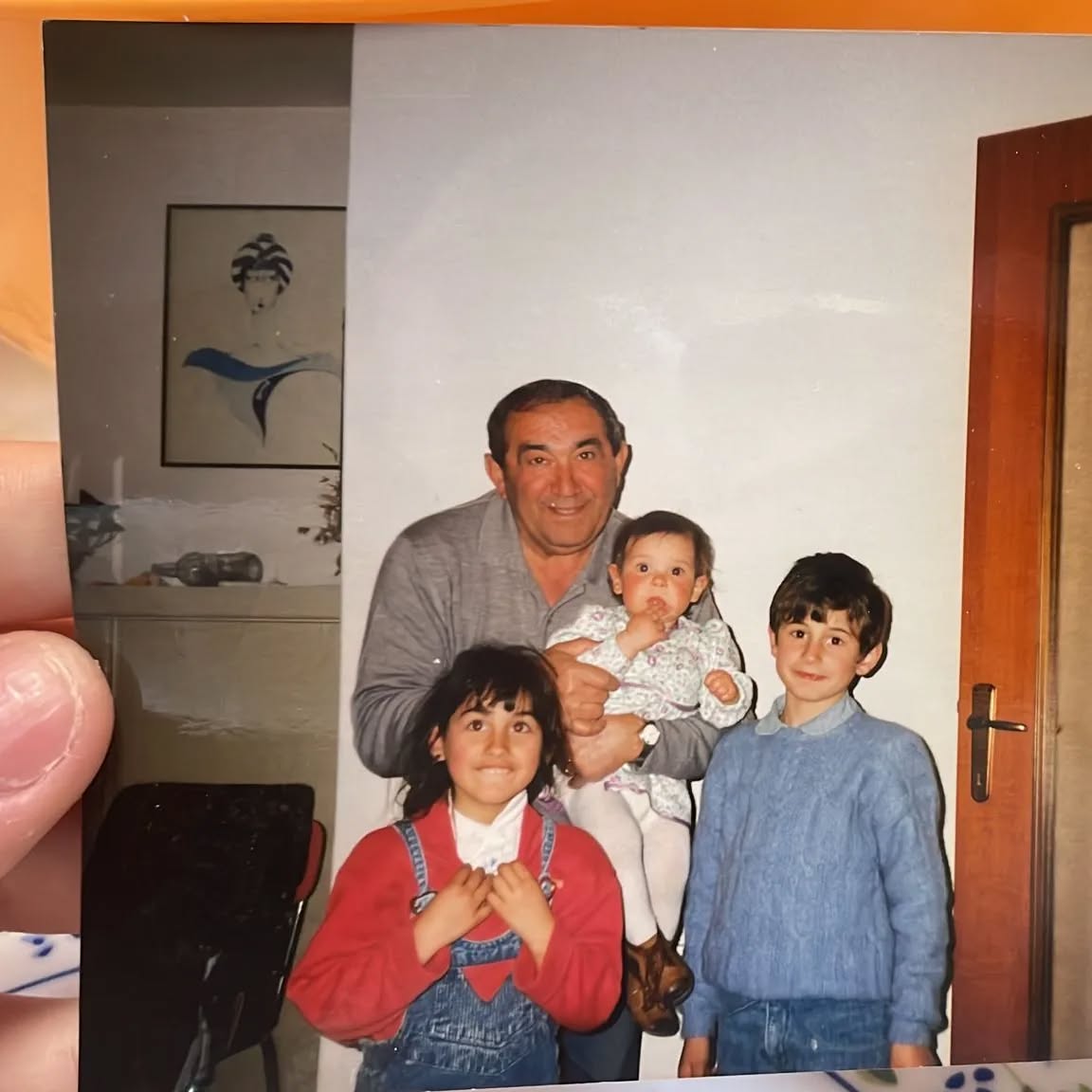
Per definizione propria della parola “famiglia” si intende un nucleo elementare della
società umana. La famiglia è la patria del cuore, è come dei rami di un
albero che crescono in direzioni diverse ma le radici rimangono una cosa sola. -
Gli Umbri furono un antico popolo italico di li…
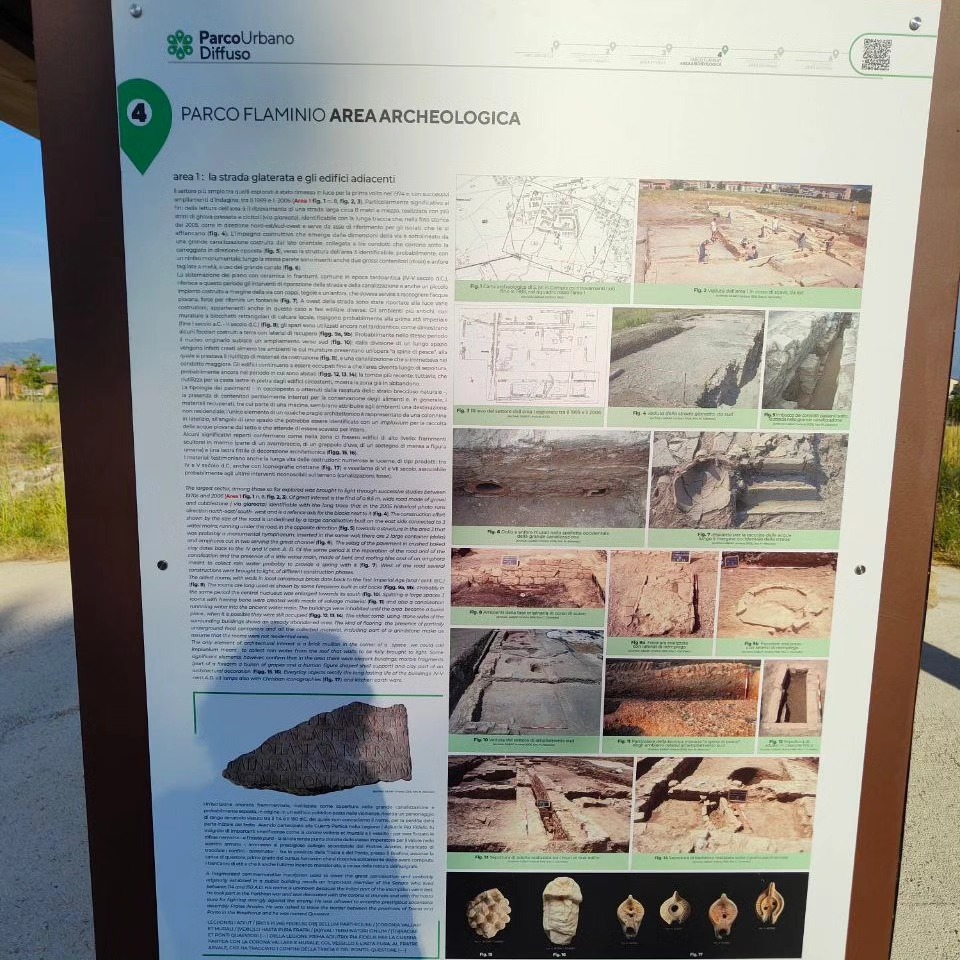
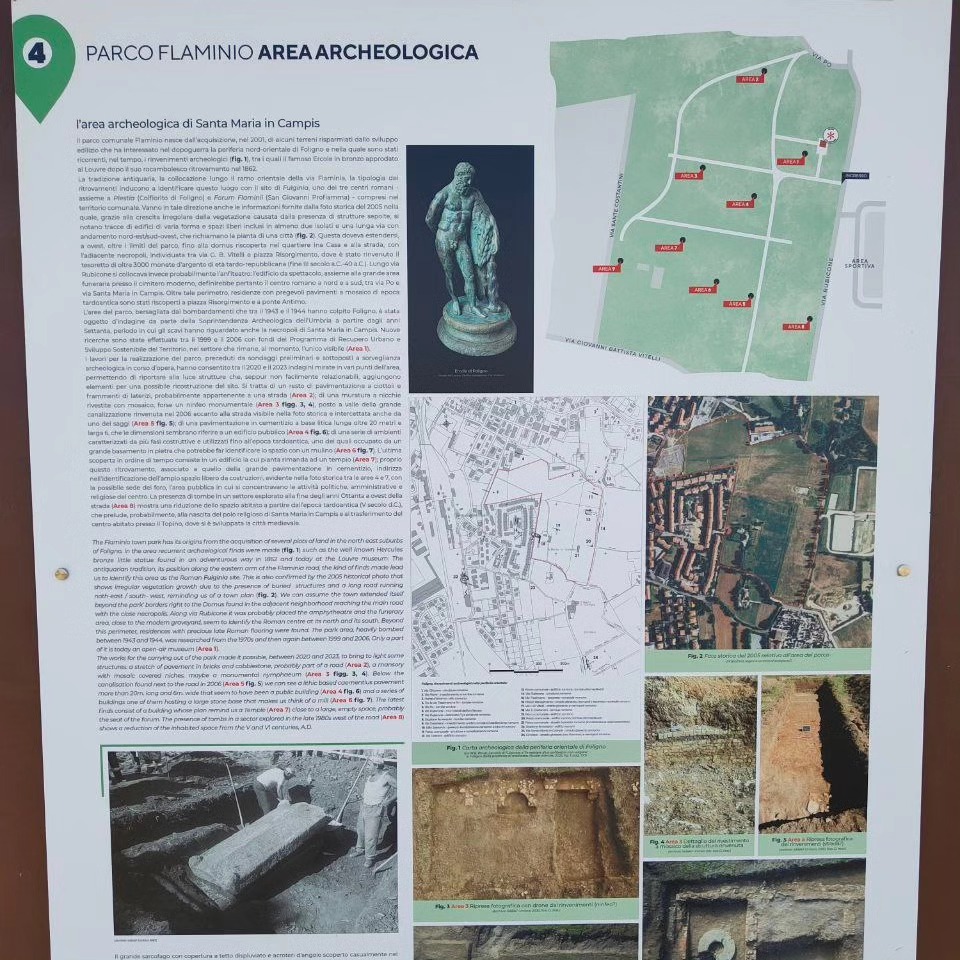
Gli Umbri furono un antico popolo italico di lingua indoeuropea del gruppo osco-umbro, vissuto in un’area che in epoca classica si estendeva dall’alta e media valle del Tevere fino al mar Adriatico. Si occupavano soprattutto di agricoltura e di allevamento ma anche l’artigianato era molto sviluppato: armi, bracciali, anelli, spille in bronzo e ferro e ceramiche erano i prodotti realizzati e venduti alle popolazioni vicine. Popolo contraddistinto dalla lingua umbra, scritta in origine con alfabeto proprio di derivazione etrusca e sostituito successivamente da quello latino, e dal rito inumatorio. Descrivendone l’origine, Plinio il Vecchio afferma:
(LA)
«Umbrorum gens antiquissima Italiae existimatur, ut quos Ombrios a Graecis putent dictos, quod in inundatione terrarum imbribus superfuissent. Trecenta eorum oppida Tusci debellasse reperiuntur.»
(IT)
«La popolazione umbra è ritenuta la più antica d’Italia, si crede infatti che gli Umbri fossero stati chiamati Ombrici dai Greci perché sarebbero sopravvissuti alle piogge quando la terra fu inondata. È attestato che gli Etruschi sottomisero trecento città umbre»
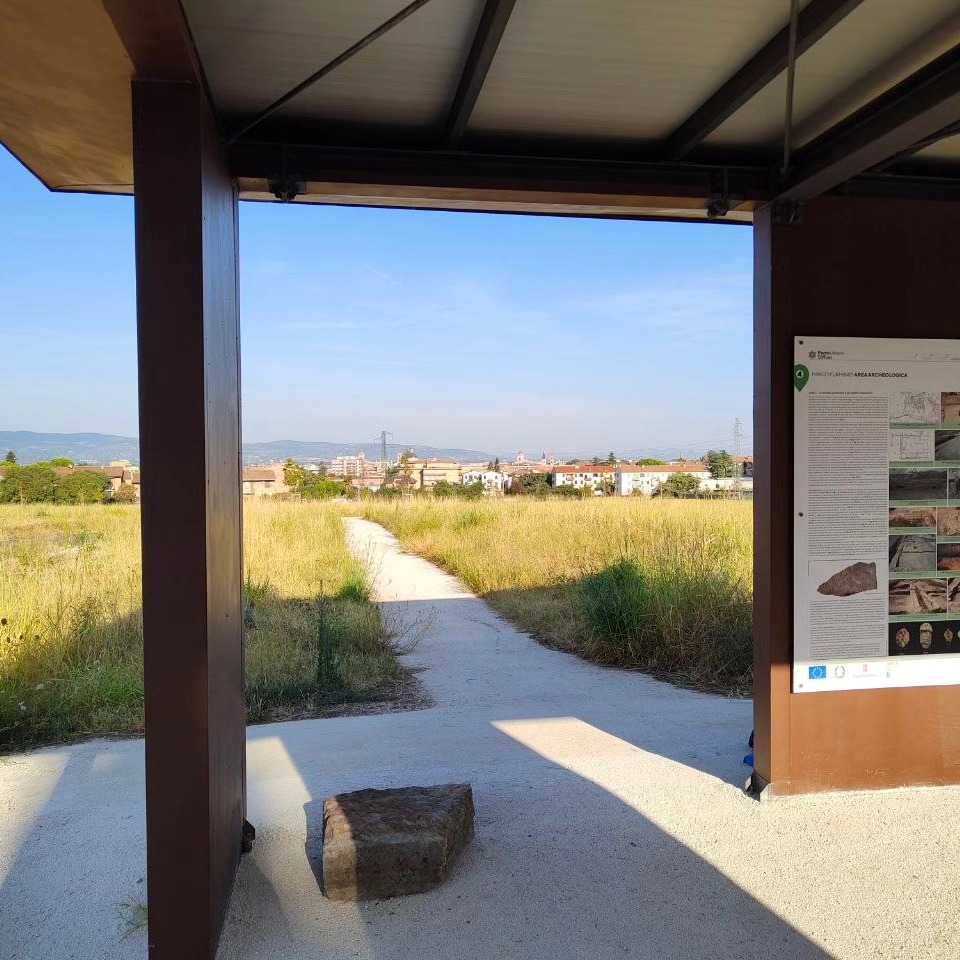
Con gli Etruschi ebbero un’espansione economica intorno al VII secolo a.C. che portò questo popolo da un sistema di vita nomade e aggregativa raccolta in villaggi formati da capanne (periodo protourbano) collocati nelle colline pre-appenniniche e sulle alture (con castellieri) ad una forma di vita urbana costituita da grossi nuclei abitativi fortificati (Totae), impiantati in aree fertili e percorse da importanti vie per i commerci.